Table of Contents
A rowing machine is a cardio tool that rewards patience and punishes sloppy form. You have a few designs to choose from, and the stroke itself is simple enough to learn in an afternoon. get the sequence right and the machine will carry you through long sessions without wrecking your lower back.
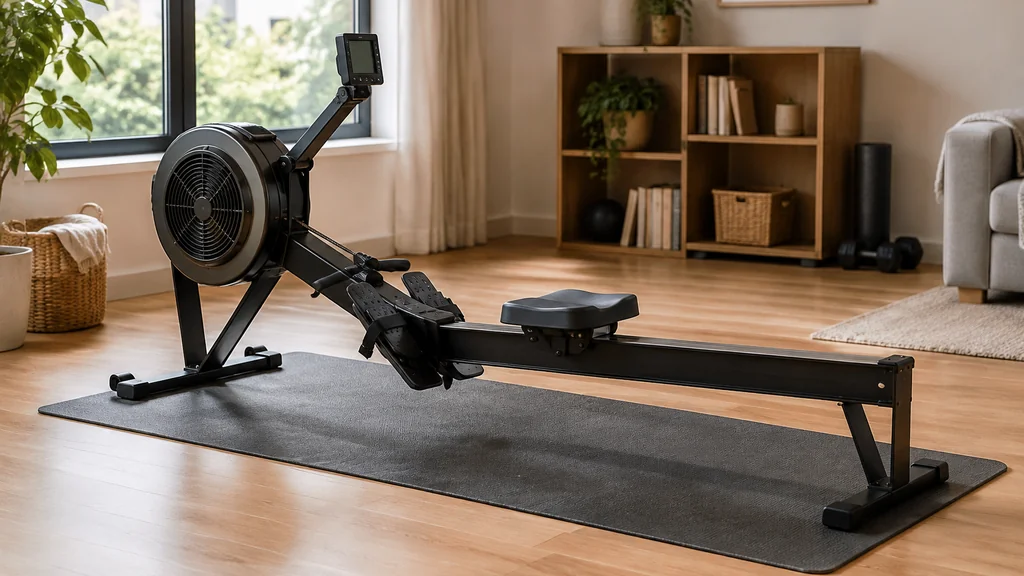
Pick the Rower Machine Type That Matches Your Space and Budget
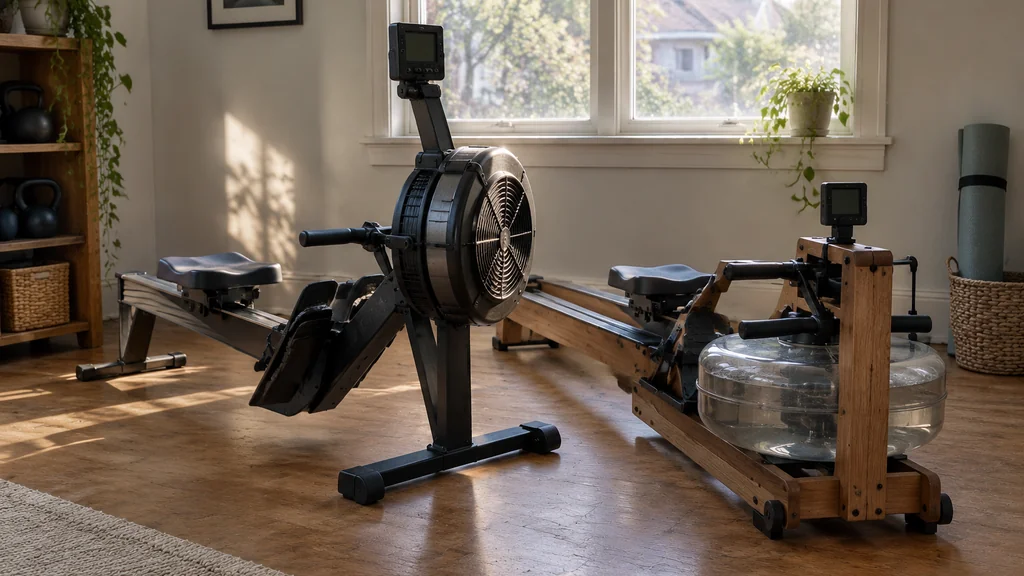
Three designs cover almost everything on the market. Each one changes how the stroke feels and how much room it eats.
Air rowers. A flywheel with fan blades pulls against the air you move. The harder you pull, the more resistance you get, so the machine self-regulates. These are the loudest option and the most common in gyms. They tend to be long and heavy, which matters if your training area doubles as a living room.
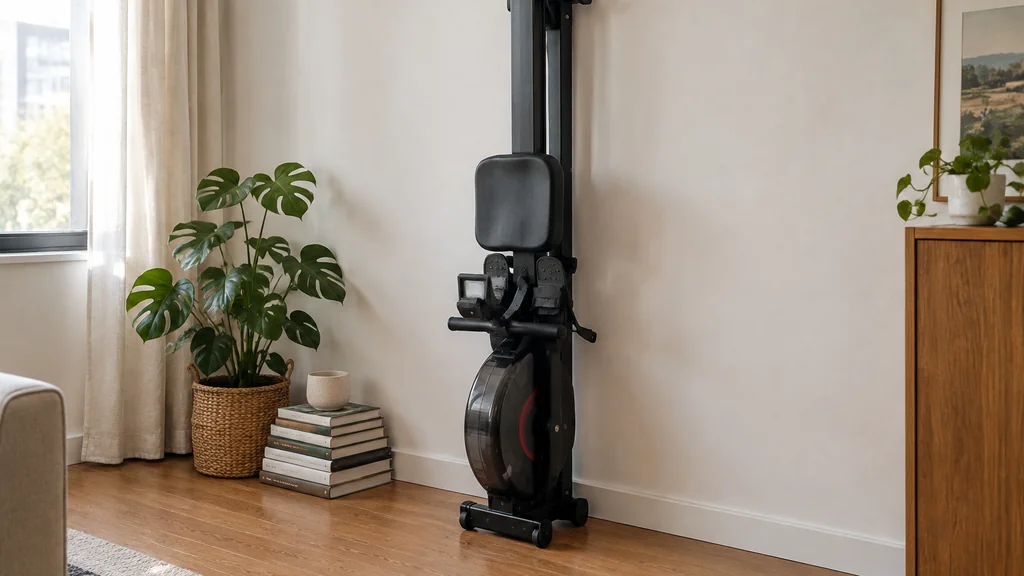
Magnetic rowers. A magnet brake creates resistance against a spinning disc. They run quieter than air and let you dial in a fixed drag. The feel is smoother and less connected to your effort, which some rowers love and others find flat. Many fold upright for storage, a real advantage in a small apartment.
Water rowers. A tank of water and a paddle wheel give a sound and feel that a lot of people find calming. They are beautiful pieces of furniture and they cost accordingly. The water needs occasional treatment to stay clear, so factor in a little maintenance.
A fourth category, hydraulic or piston rowers, exists at the cheap end. The resistance comes from cylinders, the stroke feels different from all of the above, and most coaches steer beginners toward air or magnetic instead. If the budget is tight, a used air rower from a gym clearance beats a new piston machine.
Whatever you choose, sit on it before you buy if you can. Seat height, footplate angle and handle shape decide whether you last twenty minutes or two. Check the spec sheet for the folded footprint and the seat height if space is tight. And if you are kitting out a home gym, the same buying caution applies to cardio gear as to the treadmills in this guide to NordicTrack treadmills reviewed before you commit.
Learn the Stroke in Four Positions
The rowing stroke is a sequence, and the sequence is the whole game. Break it into four positions and drill them slowly before you add effort.
- The catch. Shins roughly vertical, arms straight, back tall and hinged slightly forward from the hips. Shoulders stay relaxed and the handle sits near the footplates.
- The drive with the legs. Push through the feet first. Your legs do most of the work while the arms and back stay long. This is the part beginners skip and it is the part that matters.
- The swing. As the legs finish, the torso rocks back a few degrees and the handle comes toward the lower ribs. Keep the back long and avoid yanking with the arms early.
- The finish and the recovery. Elbows pass the body, handle at the ribs, then the arms extend, the torso hinges forward and the knees bend. The recovery is twice as slow as the drive.
Say the order out loud while you drill: legs, body, arms on the way out, arms, body, legs on the way back. That simple chant fixes most of what goes wrong in the first month.
Set the Damper and the Drag Before You Chase Watts
New rowers crank the damper to the top and assume more resistance means more work. It does not. A high damper makes each stroke heavier and slower, and most trained rowers keep the lever in the lower middle of the range. Start around the middle, row a few minutes, and see how the flywheel feels on the recovery. Adjust from there. The drag factor readout on a monitor tells you more than the lever position, and the number drifts as the fan gets dusty, so check it now and then against the machine’s own calibration guidance.
Treat the monitor numbers with some humility. Split times and stroke rate are useful for tracking your own progress across weeks. Comparing them to a stranger’s screen at the gym means little.
Build a Simple Weekly Plan
Two or three sessions a week is enough to start, and short sessions beat heroic ones you skip. Try this progression.
- Week one to two. Ten minutes of steady rowing at a conversational effort, with a pause every few minutes to check your catch position.
- Week three to four. Twenty minutes steady, adding a short push every five minutes.
- Week five onward. Alternate a steady day with an interval day, something like one minute hard and two minutes easy, repeated.
The same rule that governs a barbell governs a rower. Add a little each week and the numbers climb. Jump the volume and you will be nursing a sore lower back by Thursday. If you also lift, watch how the two interact. A deadlift session and a hard rowing session on the same day will both suffer, and the rower is usually the one to move. For grip and hand care that carries across both, the padding advice in this piece on boxing gloves sizing, padding and care applies to blistered rowing hands too.
Fix the Mistakes That Cause Back Pain and Wasted Sessions
The errors below can make rowing less comfortable and less effective.
Rounding the back at the catch. If your spine curls when you reach forward, the lower back takes work that should come from the legs. Shorten the reach and sit taller.
Pulling with the arms first. The arms are the last link in the chain. Firing them early takes work away from the legs and tires the forearms fast.
Leaning too far back at the finish. A slight rock is fine. Lying back past that turns the stroke into a sit-up and stresses the spine.
Rushing the recovery. The recovery is where you breathe and reset. If the slide feels frantic, slow it down and the drive gets stronger.
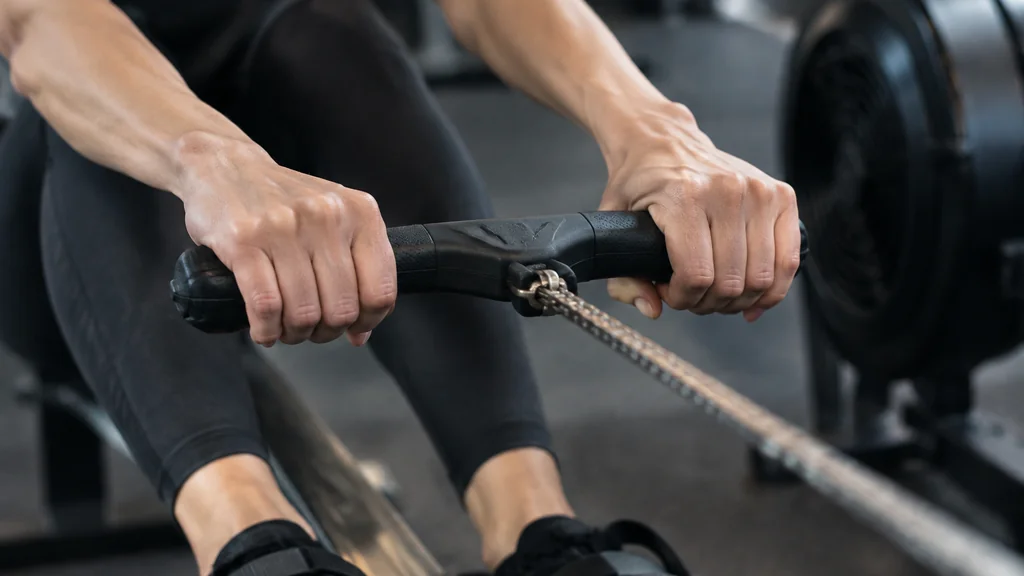
Gripping too hard. The handle should hang from hooked fingers, with the forearms relaxed and the grip light. Tense forearms drain energy that belongs in the legs.
Sort these and the machine becomes a genuine endurance tool, the kind you can use for years. The same long game shows up in strength work, where patience with load beats enthusiasm every time, as laid out in this comparison of the Olympic and outdoor barbells.
What It Costs and What You Get
Home rowers span a wide range, from basic magnetic machines to water rowers that cost as much as a decent used car. Prices shift with the season and the market, so compare current listings with the figures you have found. Ask three questions before you spend.
- Does the machine fold, and where will it live when it is not in use?
- Is the monitor simple enough that you will actually use it?
- Can you get replacement parts, especially the bungee, chain or seat rollers?
A machine with a strong frame and a weak monitor beats the reverse. Seats and foot straps wear out first, so confirm spares exist before you commit. Check the label or the seller’s spec page for the maximum user weight and the warranty terms.
When to Call a Pro
Rowing is a low-impact movement, so most people can start without supervision. Ring a coach or physio if you feel sharp lower back pain during or after sessions, if you have a history of disc trouble, or if a shoulder or wrist complains every time you pull. A single session with someone who can watch your stroke will save months of guessing. Pregnant rowers, anyone recovering from abdominal surgery and anyone with a heart condition should clear the plan with a doctor first.
Rowing Machine FAQ
How long should a beginner row?
Start with ten to fifteen minutes of steady work and stop while you still feel fresh. Add a few minutes each week. Soreness in the legs and mid-back is normal early on; sharp pain is not.
Is a rower machine good for weight loss?
It burns calories like any hard cardio and builds some endurance in the legs and back. Fat loss still comes down to the food side and to consistency across months. The machine supports consistent cardio work when paired with regular training.
Air, magnetic or water rower for a beginner?
Air is the standard in gyms and teaches the stroke well. Magnetic suits quiet apartments and tight storage. Water is the pleasant middle ground if the budget allows and you do not mind a little upkeep.
Why does my lower back hurt after rowing?
Usually the back is doing work the legs should do, or you are rounding at the catch. Slow the recovery, sit taller and drive with the feet first. If it persists, get the stroke looked at in person.
How often should I row to improve?
Two or three sessions a week builds a base. Consistency across months matters far more than any single hard session, so pick a schedule you can keep on a bad week.
This content is for general information only and is not medical advice. Consult a physician before starting any exercise or nutrition program.