Table of Contents
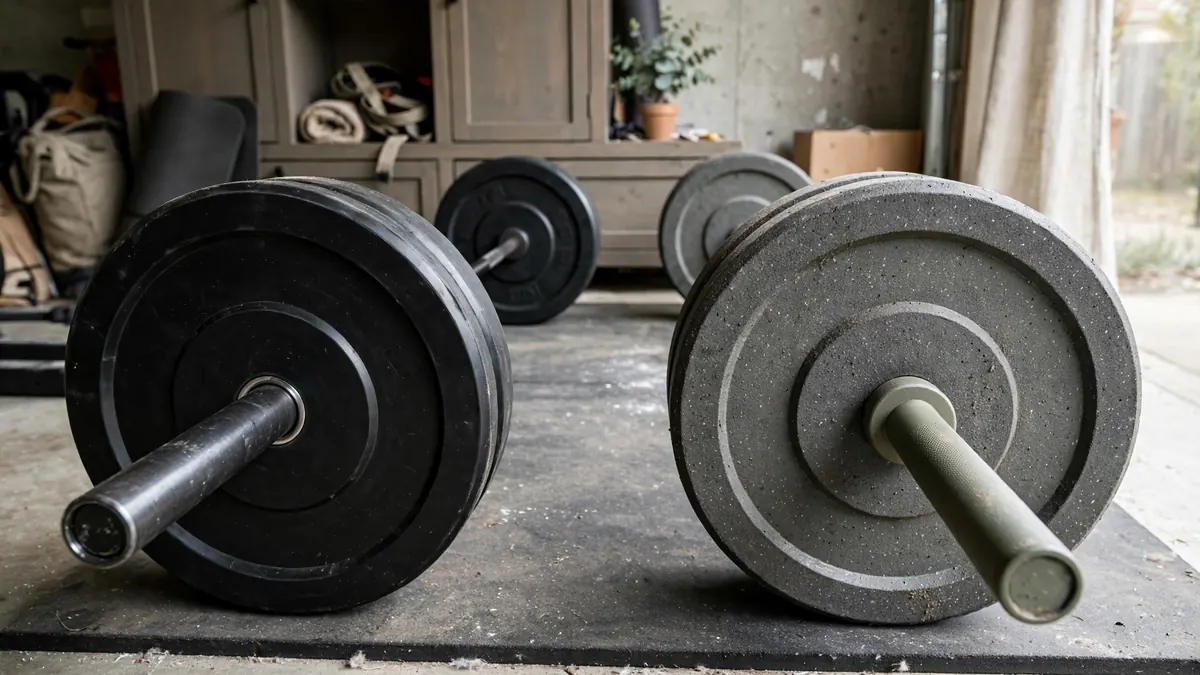
An Olympic barbell is built for a climate-controlled gym and precise lifts, while an outdoor barbell is built to survive weather, rough storage, and less careful handling. The steel, the finish, and the sleeve design are where the two diverge. Pick based on where the bar will live, not on the name stamped on the end.
What Actually Separates the Two Bars
Most people assume every 7-foot bar with a fat sleeve is the same tool. It is not. An Olympic barbell is a precision instrument. The shaft is machined to a tight tolerance, the knurl is cut for a clean grip, and the sleeves spin on bearings so a snatch or a clean turns smoothly. That precision is the whole point, and it is also the weakness. Drop it on concrete, leave it in the rain, or store it in a shed through a Midwest winter, and the bearings and finish pay for it.
An outdoor barbell trades some of that precision for durability. The steel is often thicker or treated differently, the finish is chosen to resist moisture, and the sleeves may use bushings instead of bearings because bushings tolerate grit and neglect. You give up a little spin. You gain a bar you can leave on a rack in the yard without babysitting it.
For most home lifters the two categories overlap more than the marketing suggests. A well-made bar with a good finish can do both jobs. A cheap bar with a thin chrome layer will fail at both.
Steel, Finish, and Why Rust Wins
Steel rusts. That is the whole game. The finish is what buys you time.
- Hard chrome is the classic Olympic barbell finish. It resists corrosion well and feels slick in the hands. It also chips, and once it chips, rust starts at the chip.
- Zinc is common on budget bars. It protects reasonably well but wears at the knurl and where the sleeves meet the shaft.
- Black oxide looks great and grips well, but it is the least rust-resistant of the common finishes. Fine indoors, poor outdoors.
- Stainless steel is the premium option. It resists rust without a coating, so there is nothing to chip. It costs more, and you should check the spec sheet for the exact grade.
- Cerakote and similar coatings are popular on outdoor bars because they seal the steel and hold up to moisture. They change the feel of the knurl slightly.
If the bar lives under a roof, chrome or stainless is fine. If it lives on a patio in Florida or a garage in the Pacific Northwest, lean toward stainless or a quality coating. Wipe it down, and accept that some surface rust on a working bar is normal.
Bearings, Bushings, and Spin You Can Feel
Sleeve rotation matters for Olympic lifts and matters almost not at all for slow lifts.
Needle bearings give the fastest, smoothest spin. They suit snatches and cleans where the bar has to rotate under load. They also dislike grit and water, and they are the first thing to degrade on a neglected bar. Bushings are simpler, tougher, and slower. A bushing bar is perfectly good for squats, presses, and deadlifts, and it survives a dusty garage far better.
For an outdoor barbell, bushings are usually the smarter call. For a competition-style Olympic barbell kept indoors, bearings are worth it. If you are unsure, ask whether you actually perform the fast lifts. Most home lifters do not, and a bushing bar will serve them for years.
The Main Procedure: Choosing Between Them
Work through this in order. It takes about ten minutes and saves a return shipping bill.
- Decide where the bar will be stored. Indoors, outdoors, or a garage that swings between humid and cold.
- List the lifts you actually do. Fast lifts push you toward bearings. Slow lifts do not.
- Check the finish against your climate. Stainless or a sealed coating for wet or coastal air, chrome for a dry indoor room.
- Confirm the sleeve type and the shaft diameter on the spec sheet before you buy.
- Handle the bar if you can. Knurl depth is personal, and a bar that shreds your hands gets avoided.
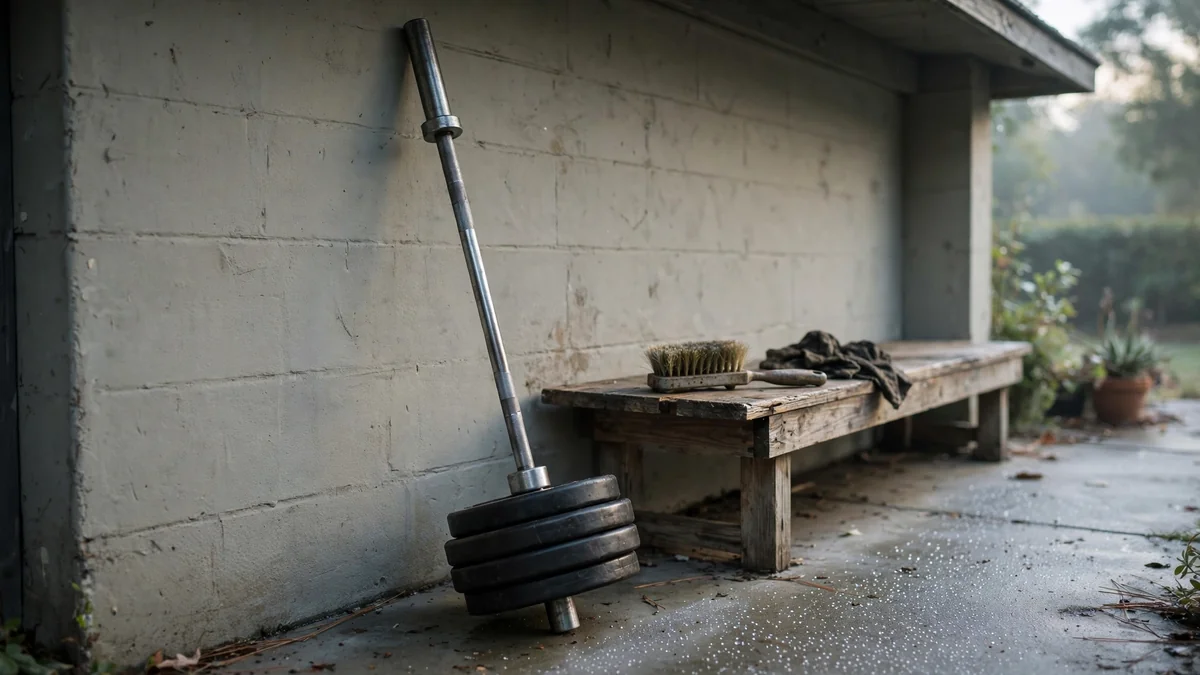
- Plan your storage. A vertical bar holder or a wall rack keeps the bar off wet ground and out of standing water.
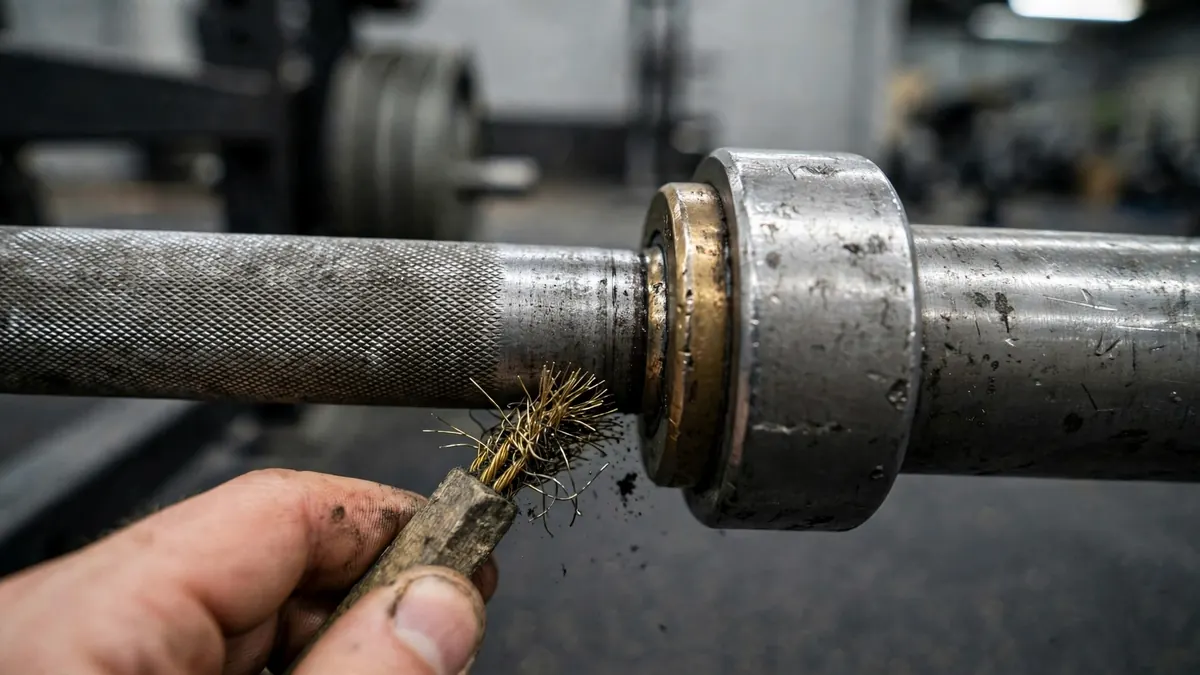
- Set a maintenance habit. A wire brush on the knurl and a light oil wipe every few weeks beats any coating.
If you are still assembling a space, the order of purchases matters as much as the bar itself. Our guide to home gym weight equipment covers what to buy first so the bar is not sitting alone on the floor.
Cost and What You Get at Each Level
Budget bars cut corners on steel quality and finish thickness. They work, and plenty of people train on them for years, but the knurl wears and the finish fails sooner. Mid-range bars are the sweet spot for most home gyms. You get a decent finish, a serviceable knurl, and sleeves that spin well enough. Premium bars cost real money, and the jump buys you tighter tolerances, better steel, and a finish that lasts.
Do not chase a number. Check the spec sheet for shaft diameter, sleeve type, finish, and tensile strength, and compare those against how you train. A bar rated far beyond your lifts is money you could spend on plates. If you are weighing a big cardio purchase against lifting gear, the same logic applies to the NordicTrack Commercial 1750 and who it actually suits.
Mistakes That Kill a Good Bar
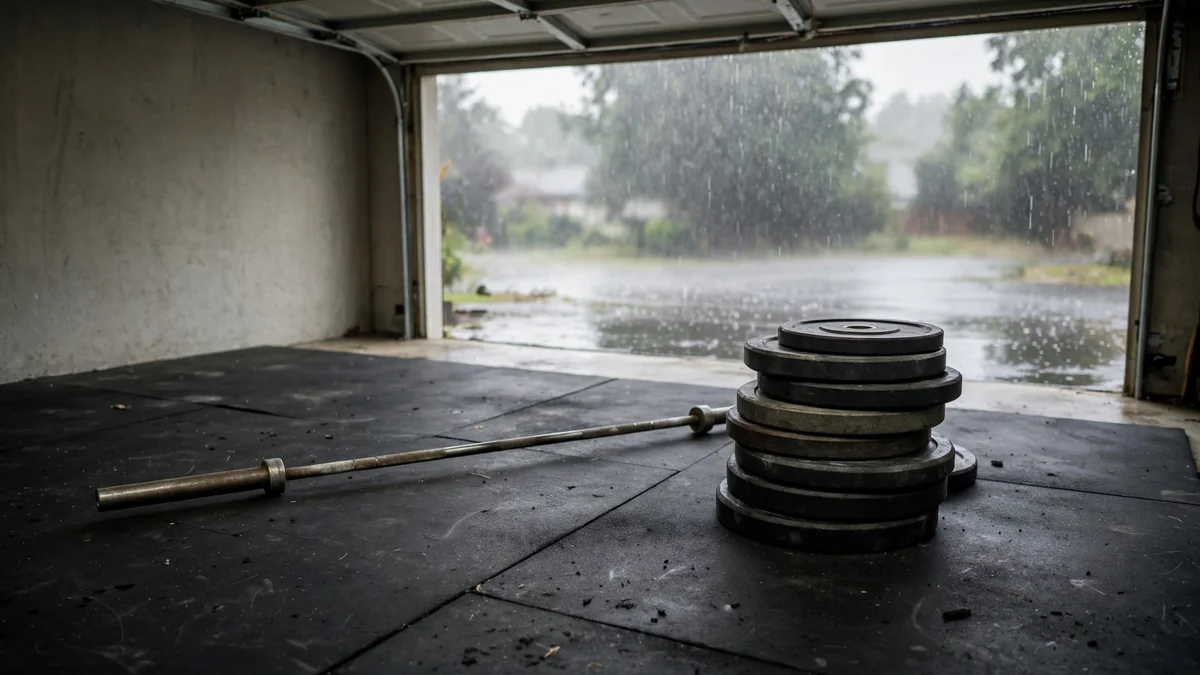
- Leaving it on wet concrete. Water sits under the bar and rusts the shaft.
- Storing it in a damp shed with no airflow.
- Never brushing chalk and grit out of the knurl.
- Using a harsh cleaner that strips the coating.
- Dropping a bearing bar onto concrete and wondering why the spin is rough.
- Buying on looks. Black oxide is beautiful and the least forgiving outdoors.
One more. Do not oil a bar and then leave it in a case. Trapped moisture under a coat of oil is worse than a dry bar in open air.
When to Call a Pro or Buy New
Rust that pits the steel, a sleeve that grinds or seizes, or a shaft that has bent are all signs the bar is done. Surface rust is cosmetic and fixable. Pitting is not. A bent shaft will show up as a wobble when the bar rolls on a flat floor, and no amount of maintenance fixes it.
If you are buying used, inspect the knurl for wear, spin the sleeves by hand, and roll the bar to check for a bend. For a broader checklist before you spend, see our guide to treadmills for sale and what to check before buying, because the same inspection habits apply to any used fitness gear.
Olympic and Outdoor Barbells FAQ
Can I use an Olympic barbell outdoors?
Yes, but expect the finish and bearings to age faster. Wipe it down after use, keep it off wet ground, and store it under cover. A chrome or stainless bar will last longer outside than black oxide.
Is a bushing bar worse than a bearing bar?
Not for most people. Bushings are tougher and slower, which is fine for squats, presses, and deadlifts. Bearings matter mainly for the fast Olympic lifts.
How often should I maintain an outdoor barbell?
Every few weeks is a reasonable habit. Brush the knurl, wipe the shaft, and apply a light oil. After rain or heavy sweat, do it sooner.
Does knurl depth matter for outdoor use?
It matters for grip, and a coarser knurl holds chalk better in humid air. But deep knurl also traps moisture and grit, so clean it more often if the bar lives outside.
Can a rusty bar still be used?
Surface rust is fine and cleans up. Rust that has pitted the steel or seized the sleeves means the bar is compromised, and you should replace it.
This content is for general information only and is not medical advice. Consult a physician before starting any exercise or nutrition program.