Table of Contents
A used treadmill is worth buying when the frame is sound, the belt and deck are not worn through, and the motor runs smooth under load. Skip anything with a cracked frame, a frayed belt, or a seller who will not let you run it. Everything else comes down to fit, weight capacity, and whether the machine matches how you actually train.
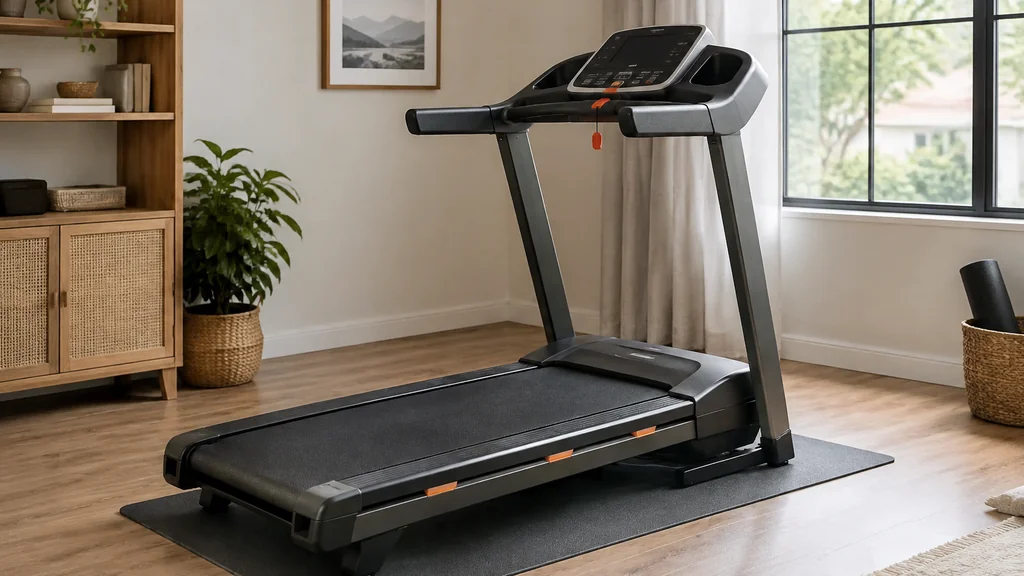
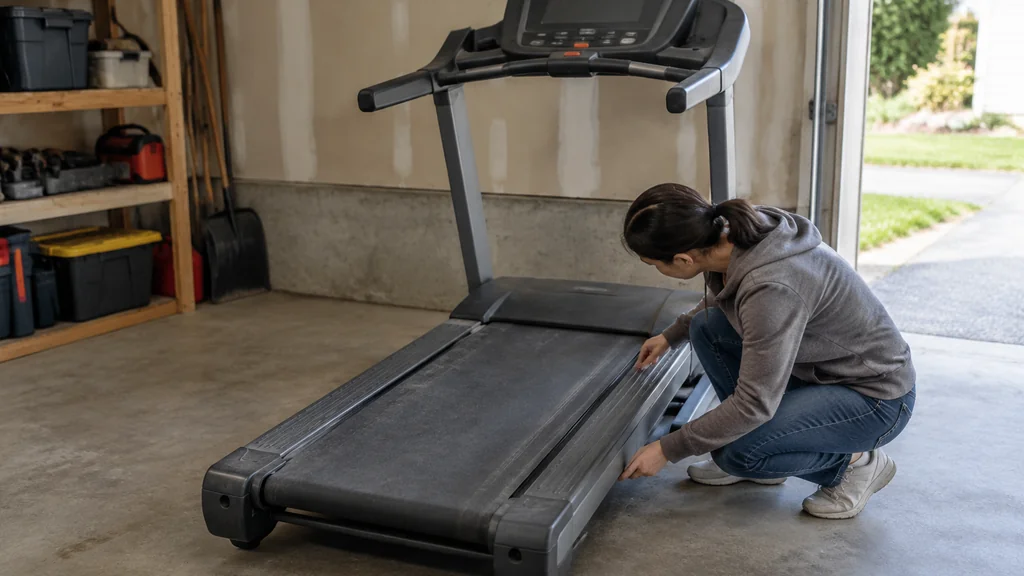
Start With the Frame, Not the Screen
Most buyers walk up and press buttons. That is backwards. The console is the cheapest part to replace and the most likely thing to be broken. The frame is the part you cannot fix.
Get down on the floor and look at the welds where the uprights meet the base. Run a hand along the underside of the deck rails. Rust that flakes off is a problem. Surface discoloration on a steel frame in a humid climate is normal, and a light rub with a cloth tells you which one you have.
Then grab the handlebars and shake the whole machine side to side. A little flex is fine on a folding model. Check the Steel frame for clunks or movement at the joint.
Two things to check while you are down there:
- Folding latch and hinge. Open and close it twice. If it drops hard or needs a shove to lock, the mechanism is worn.
- Feet and levelling. Missing rubber pads mean the machine walked across the floor for years, which stresses every joint.
If the frame passes, you can talk about the rest.
Run the Belt and Listen to the Motor
Ask to plug it in. Any seller who refuses is telling you something. Run it at a walking pace for a minute, then take it up to your normal running speed.
Listen at the motor housing. A steady hum is what you want. Grinding, clicking, or a whine that rises and falls points to worn brushes or a bearing on the way out. Motor brushes are a service item on many older machines, but a bearing noise usually means a rebuild you will not want to pay for.
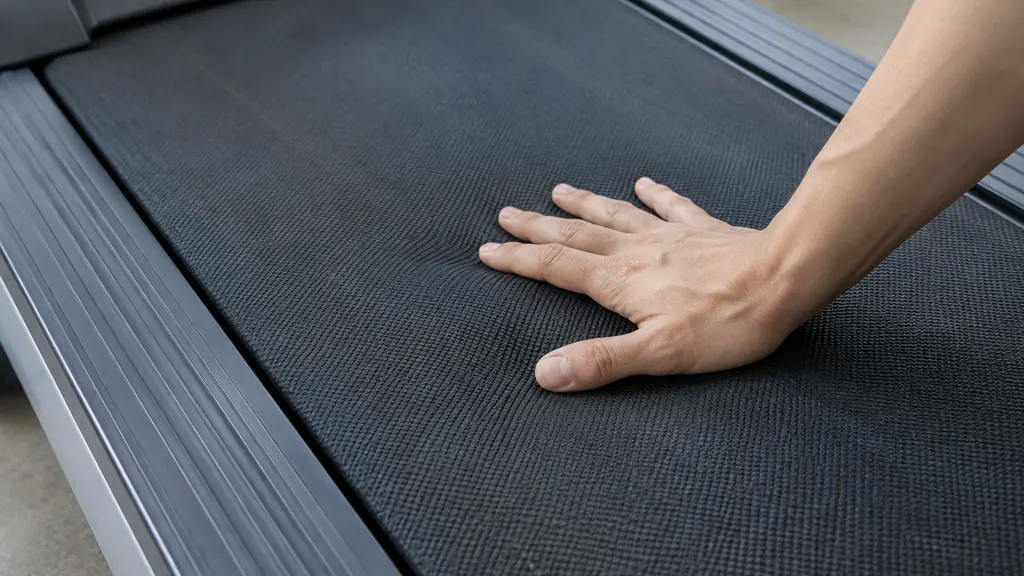
Then step on and run. Put your full weight down and feel for the belt slipping or hesitating. A belt that stutters under load may be too loose or glazed, or the motor may be tired. A glazed belt surface can indicate wear. You can tension a belt. You cannot resurrect a motor.
Check the belt surface for these:
- A visible seam or frayed edge
- Glossy, polished patches where the texture is gone
- Cracks along the length, which show up more in a cold garage
A belt with any of those needs replacing, and you should price that into the offer before you agree to anything.
Match the Machine to Your Weight and Your Gait
A treadmill rated for a light walker will not survive a heavy runner, and the spec sheet is where that shows up. Look for the user weight rating and the motor’s continuous duty rating. Peak figures are marketing. Peak figures are marketing. Continuous duty is what the motor can hold for an hour.
If you are a heavier runner, the deck thickness and the frame gauge matter as much as the motor. A thin deck flexes under a heavy footfall, and that flex is what kills the board underneath. This is the same logic behind picking load for a weighted vest. The machine’s Steel frame and deck have to be rated for the load you actually put on it. Your current load matters more than a future target. If you are shopping specifically for a machine that holds a bigger frame, there is a fuller breakdown in this guide to choosing a high-weight-capacity treadmill.
Two more fit checks before you commit:
- Measure your stride. Stand on the belt and take three normal running steps. If your foot lands near the front roller, the deck is too short for you.
- Check the incline range and test it. Run the deck up and back down twice and listen for the motor straining.
- Confirm the speed range covers your easy pace and your hard pace, not just the top number.
What to Pay and What to Walk Away From
Used treadmill prices swing wildly because sellers often base them on the original purchase price. Condition still drives value. A machine with a good frame, a smooth motor, and a belt with life left is worth real money. A machine with a dead motor is worth scrap plus whatever the parts bring.
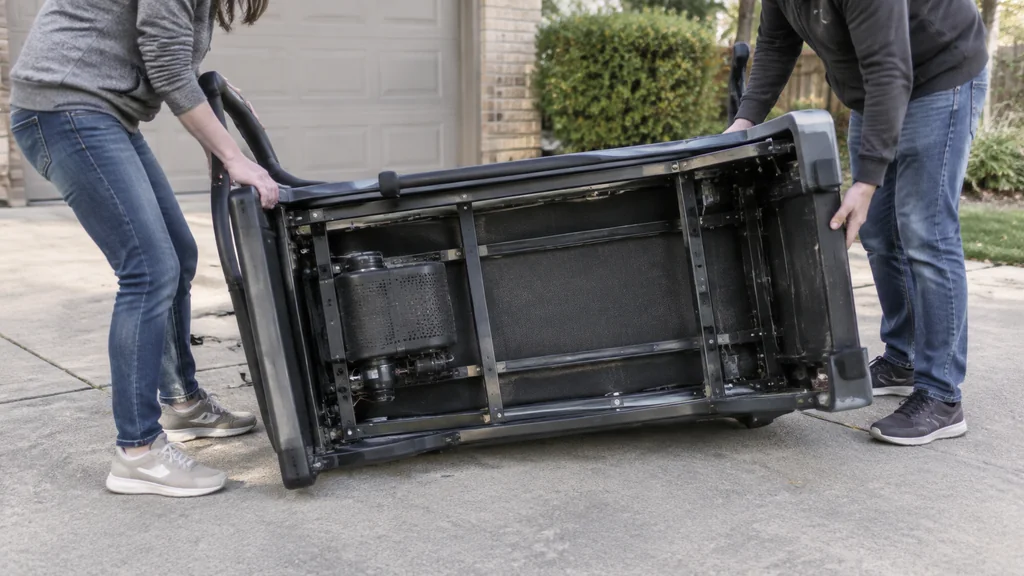
Bring a friend if you can. Turn the machine off and unplug it before inspecting underneath. Do not tilt it unless the manufacturer’s instructions allow it and it can be secured safely. If you are buying from a big-box seller’s return pile or a gym clearing out equipment, ask what the return window is and whether the warranty transfers. Verify the warranty policy for that specific machine.
Walk away when you see:
- A cracked or welded frame
- A motor that smells hot or burnt after five minutes
- A console that will not hold speed or incline settings
- A seller who will not let you run it
If you want a sense of which models hold up in the used market, this roundup of the top sellers in treadmills is a reasonable starting point for names to search for.
The Pre-Purchase Checklist
Run this in order. It takes about fifteen minutes and saves you from a machine that dies in month two.
- Inspect the frame welds and rails for flaking rust or cracks.
- Shake the handlebars and check the folding hinge and levelling feet.
- Plug it in and run it at walking pace, then at your running pace.
- Listen at the motor housing for grinding or clicking.
- Step on and feel for belt slip under your full weight.
- Check the belt surface for gloss, cracks, or a frayed edge.
- Test the incline and speed controls through their full range.
- Ask about service history, warranty transfer, and return terms.
If it passes all eight, make an offer. If it fails on the frame or the motor, walk.
Treadmills for Sale FAQ
How do I know if a used treadmill motor is good?
Run it under your own weight for at least five minutes. A good motor holds speed without surging, stays cool to the touch at the housing, and makes a steady hum. Grinding, clicking, or a hot smell after a short run means the motor is on its way out.
Is a folding treadmill weaker than a non-folding one?
Not automatically. A well-built folding model with a solid latch and a stiff frame holds up fine for home use. The hinge and latch are the wear points, so test them twice and look for play. If the deck shifts when you push down on it, the mechanism is loose.
What weight rating should I look for?
Match the rating to your current body weight plus gear, and leave a margin. Check the spec sheet for the user weight limit and the motor’s continuous duty rating. Peak figures are less useful for assessing sustained use. If you are near the top of the range, look at machines built for heavier users instead of pushing a light model past its limit.
Should I buy a treadmill with a worn belt?
Only if the price reflects it. A belt is a wear item and a normal replacement, but a worn belt often means a worn deck underneath, and that is a bigger job. Factor the cost of both into your offer, and check the label on the replacement parts to confirm they fit your model.
How much should I pay for a used treadmill?
There is no fixed number, because condition drives value more than age. A machine with a sound frame and a smooth motor is worth a fair share of its original price. One with a dead motor is worth parts value only. Compare a few listings in your area before you make an offer, and do not pay for features you will never use.
This content is for general information only and is not medical advice. Consult a physician before starting any exercise or nutrition program.