Table of Contents
- What a StairMaster Actually Is
- Stepper vs StairMaster: What the Usage Data Says
- Sizing the Machine to Your Room
- What a Good Machine Costs
- Setting Up Your Climber Safely
- Building a Weekly Climbing Plan
- Common Mistakes and Maintenance
- When to Call a Pro
- Picking the Top Stepper for Your Home
- StairMaster and Stepper FAQ[+]
A StairMaster or stepper gives you a hard cardio session in a small footprint, but the two machines work differently and suit different homes. Buy the type that matches your ceiling height, your floor space and how often you will actually climb. Then set it up on a solid, level surface and build a weekly plan you can repeat.
What a StairMaster Actually Is
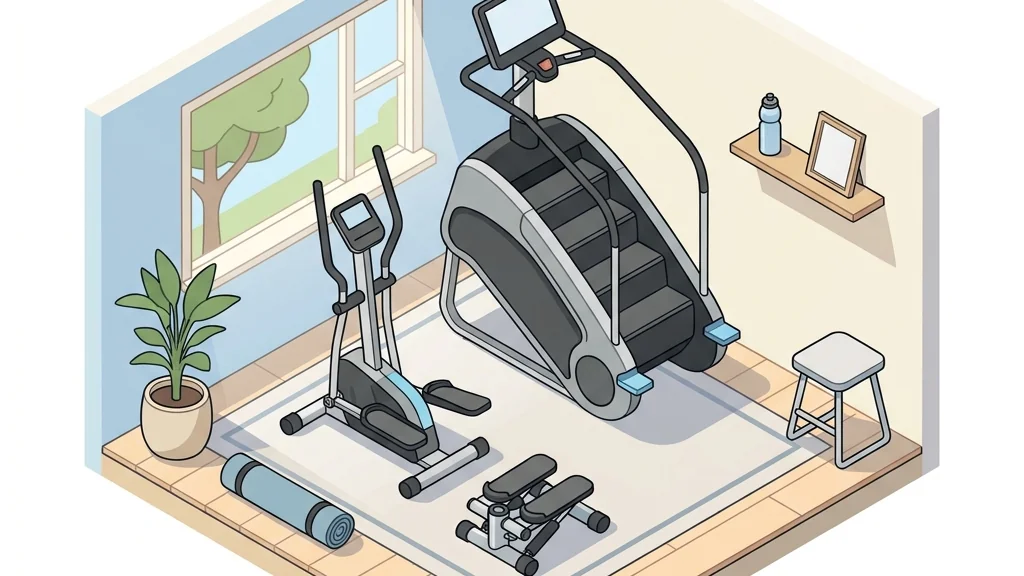
StairMaster is a brand name that became generic, the way people say Kleenex for tissue. The machine was launched by Tri-Tech, Inc. of Tulsa, Oklahoma in 1983 at the National Sporting Goods Association trade show. When most people say “stairmaster” today, they mean a continuous-climb machine where revolving steps or pedals keep moving under your feet.
That continuous motion is the point. You do not stop between steps. Your legs keep cycling through a climbing range while your heart rate climbs with them. It is demanding in a way a flat treadmill rarely is, because you are lifting your body weight against gravity on every stroke.
Two broad families exist in the home market. The first is the revolving-stair climber, sometimes called a stepmill, where actual rotating steps pass beneath you. The second is the pedal stepper, where two independent pedals push down and up. The stepmill feels closer to walking up a real escalator. The pedal stepper feels more like a slow, controlled lunge.
The stepmill has a reputation for being brutal on newcomers. That reputation is earned. Start with short sessions and let your calves and Achilles tendons adapt over several weeks before you chase longer climbs.
Stepper vs StairMaster: What the Usage Data Says
Ecofit data drawn from 967 fitness centers found that Stepmills were used 18 times as often as Stairmasters. That tells you something useful about how people actually behave when both machines sit side by side in a gym. The stepmill wins on popularity.
Popularity is not the same as suitability. A home buyer has different constraints than a gym member. You are not choosing between two machines in a row of twenty. You are choosing one machine that has to fit a room, survive years of use and stay interesting enough that you keep climbing on it in February.
The pedal stepper is usually smaller, lighter and cheaper. The stepmill is bigger, heavier and closer to the gym experience. If you have ever quit a gym membership because the machine you liked was always occupied, a home stepmill removes that excuse. If you have a tight spare room and a modest budget, the pedal stepper gets you climbing without eating the whole floor.
Think about your ceiling, too. A stepmill raises your head higher than a pedal stepper does at the top of each stroke. Measure the room before you order anything. Check the spec sheet for the machine’s height and add clearance for your own head.
Sizing the Machine to Your Room
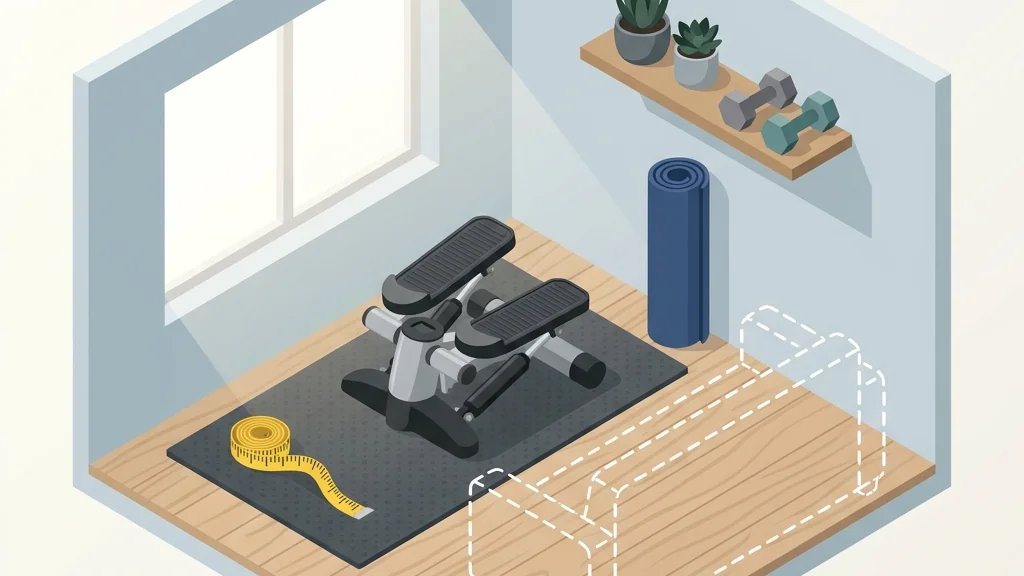
Space is where most home cardio purchases go wrong. People measure the footprint and forget the swing room, the ceiling and the door path. Use a familiar object as a benchmark. A standard loveseat measures 58 inches long by 38 inches wide, or 15.31 square feet. If you cannot picture where a loveseat would sit in the room, you cannot picture a stepmill there either.
Walk the delivery path in your head. Will the box fit through the front door, up the stairs and around the landing? A stepmill is heavy and awkward. Some models ship in one piece, and a tight turn on a staircase can stop the delivery cold. Check the spec sheet for shipping weight and assembled dimensions before you commit.
Flooring matters as much as space. A heavy climber on a suspended wood floor will transmit vibration into the room below. A rubber mat under the machine protects the floor and cuts noise. On a concrete slab in a basement, you have more freedom.
Leave clearance at the back and sides for stepping on and off safely. You will be tired when you dismount, and tired people catch their toes. A clear zone behind the pedals is not wasted space, it is the difference between a clean exit and a stumble.
What a Good Machine Costs
BarBend associates an average price of about $1,450 with high-quality cardio machines when judging affordability. That figure is a useful anchor. It tells you that a machine well under that number is a budget pick, and one well over it should justify the premium with build quality, warranty or features you will genuinely use.
Warranty is where the money hides. A long frame warranty signals that the maker expects the steel to outlast the electronics. Read the warranty terms closely, because frame coverage and parts coverage are usually different things.
BarBend also reports hands-on testing of 22 different equipment silhouettes to build its affordable stair climber list. That is a reminder that the category is crowded and the differences are real. Two machines at the same price can feel completely different underfoot.
Budget for the extras, too. A mat, a fan and a heart-rate strap are small costs that make daily use more pleasant. If you are comparing a cheap stepper against a mid-range stepmill, put the savings toward the accessories that keep you climbing.
Setting Up Your Climber Safely
Setup is straightforward, but a few steps prevent most of the problems people blame on the machine later. Work through this in order.
- Measure the room, the ceiling and the delivery path before the machine arrives, using the spec sheet dimensions.
- Choose a level, solid spot with clear space behind and beside the pedals, away from doorways.
- Lay a rubber mat and set the machine down, then check for wobble by rocking it gently at each corner.
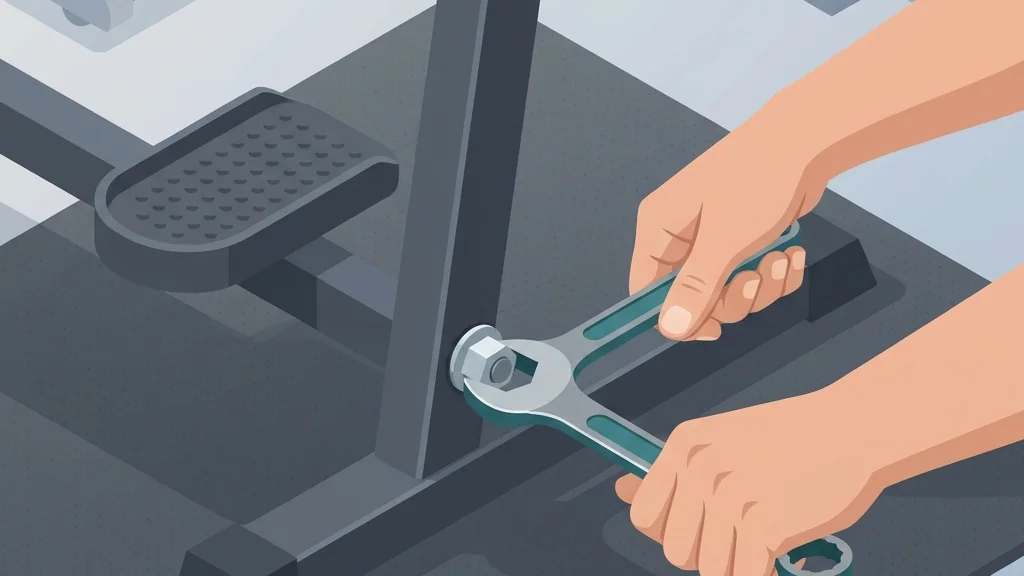
- Adjust the leveling feet until all four points sit flat, and tighten the lock nuts.
- Plug into a grounded outlet on its own circuit where possible, and route the cord out of the walking path.
- Step on with both hands on the rails for your first session and set the lowest resistance.
- Wipe the rails and pedals after each use, and check the bolts on the base monthly.
If the machine rocks no matter what you do, the floor is the problem. A thin plywood shim under one foot can fix a small gap. A badly sloped floor needs a different location.
Building a Weekly Climbing Plan
The mistake I see most is starting too hard. People climb for twenty minutes on day one, their calves seize up on day two, and the machine becomes a coat rack by week three. Start with short sessions and add time slowly. Five to ten minutes of easy climbing is a real workout when you are new to the movement.
Aim for two or three sessions a week at first. Keep the resistance low enough that you can speak a full sentence. When that feels easy, add a few minutes before you add resistance. Your Achilles tendons and calves adapt more slowly than your lungs, and they are the parts that complain loudest.
Once you have a base, alternate steady sessions with interval sessions. A simple interval is a short hard climb followed by an easy recovery, repeated several times. Keep the hard efforts short enough that your form stays clean. When you start hanging on the rails to survive, the interval is over.
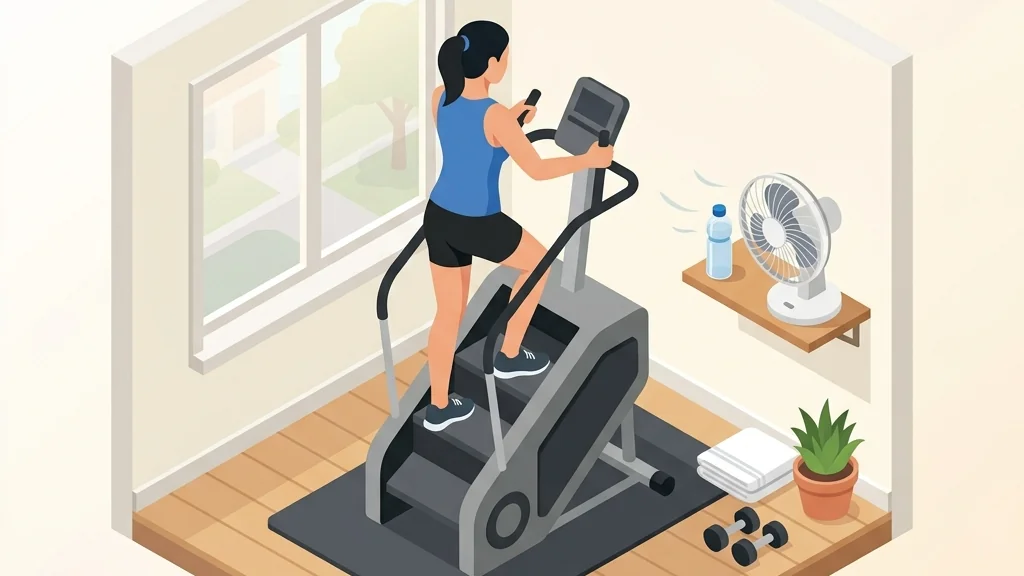
Watch your posture. Stand tall, keep your hands light on the rails, and let your legs do the work. Leaning your weight onto the handles turns a climbing workout into an upper-body rest. If you need the rails to stay upright, drop the resistance.
Cross-training helps. A rowing machine or a treadmill day gives your calves a break while keeping your cardio up. If you want to understand the alternatives, this guide to rowing machine types and technique basics covers the movement patterns that pair well with climbing.
Common Mistakes and Maintenance
The first mistake is buying on impulse without measuring. The second is skipping the mat and wrecking a wood floor. The third is ignoring the machine until something squeaks.
Clean the rails and pedals after every session. Sweat is corrosive over time, and a wiped machine lasts longer. Check the base bolts monthly and tighten anything that has worked loose. Lubricate moving parts only as the manual directs, using the specified grease.
Listen for new noises. A rhythmic click often means a loose pedal or a worn bearing. A grinding sound from the drive area deserves a stop and a call to the maker’s service line. Do not keep climbing on a machine that sounds wrong.
Keep the machine on a surge protector if your area gets storms. Electronics are the expensive part to replace, and the frame usually outlasts them. That is exactly why the frame warranty runs so long on quality machines.
When to Call a Pro
Most home setup is a one-person job. Call a professional in a few situations. If the machine must go upstairs and the box will not clear the turn, a delivery crew with the right equipment saves your back and your drywall. If you live alone and the machine is heavy, get help for the lift onto the mat.
Call an electrician if the outlet is old, ungrounded or shared with heavy appliances. A dedicated circuit removes a common cause of tripped breakers during hard sessions. Do not run an extension cord across a doorway to reach a distant outlet.
Call the maker’s service technician for drive-train noise, error codes or resistance that will not change. Opening the drive housing yourself can void the warranty. If the machine is under a long frame warranty, protect it by letting trained hands do the repair.
If you have knee, hip or Achilles problems, talk to a physiotherapist before you build a climbing habit. A clinician can tell you whether climbing suits your situation and how to progress safely. That conversation costs less than a flare-up that sidelines you for a month.
Picking the Top Stepper for Your Home
The top stepper for you is the one you will climb on next month, not the one with the longest feature list. Match the machine to your room, your budget and your knees. Set it up level on a mat, start shorter than you think you should, and add time before you add resistance.
If you are building a small home cardio corner, pair the climber with one other machine so you can alternate hard days. A treadmill is the usual companion, and this review of NordicTrack treadmills explains what to check before you buy. Keep your other gear in good shape too, and if you train with gloves, this guide to boxing glove sizing, padding and care covers the basics.
The machine will not motivate you. A plan you can repeat will. Start with two short sessions a week, keep your hands light on the rails, and let your calves catch up to your enthusiasm.
StairMaster and Stepper FAQ
How much space does a home stair climber need?
Plan for the machine footprint plus clear space behind and beside the pedals for safe mounting. Use a loveseat as a benchmark, since a standard loveseat measures 58 inches long by 38 inches wide, or 15.31 square feet. Check the spec sheet for your chosen model and add head clearance.
Is a stepper as good a workout as a StairMaster?
Both raise your heart rate through continuous climbing, and the stepmill feels harder because the steps keep moving under you. Ecofit data from 967 fitness centers found Stepmills were used 18 times as often as Stairmasters, which reflects gym preference. Your own consistency matters more than the label.
How much should I budget for a quality cardio machine?
BarBend associates an average price of about $1,450 with high-quality cardio machines. Budget picks sit below that, and premium machines above it should justify the cost with build and warranty. Add a mat and a heart-rate strap to the total.
How long should a frame warranty last?
Most high-end cardio machines offer at least 10- or 15-year frame warranty support. Frame coverage and parts coverage usually differ, and a long frame warranty indicates that the steel may outlast the electronics.
When was StairMaster invented?
StairMaster was launched by Tri-Tech, Inc. of Tulsa, Oklahoma in 1983 at the National Sporting Goods Association trade show. In March 1984 the StairMaster 5000 was replaced by the StairMaster 6000, which added a digital display. The brand has changed hands since, including a sale to Core Health and Fitness in 2009.
This content is for general information only and is not medical advice. Consult a physician before starting any exercise or nutrition program.