Table of Contents
To get a bigger waist, you thicken the muscles that wrap your midsection with loaded oblique and core work, add overall trunk mass through heavy compound lifts like squats and deadlifts, and eat in a small calorie surplus so your body has material to grow. There is one honest catch most articles skip: the width of your waist is set mostly by your skeleton, and no exercise widens a bone. What you can change is the muscle sitting on top of that frame and the overall size you carry.
I spent the better part of a year chasing a thicker waist because mine runs narrow, and I learned the hard way that the tape measure moves slowly and only when nutrition and lifting pull in the same direction. Below is the exact approach that worked, the equipment I actually used, nine drills, and the trade-offs nobody warned me about.
What actually makes your waist bigger?
Waist size comes down to three layers, and only two of them respond to training. Sort these out first or you will spend months on the wrong lever.
- Bone structure. The distance between your hip bones (iliac crest) and the width of your lower ribcage set your baseline. This is genetic and fixed by adulthood. A person with wide hips and a broad ribcage looks thick at the waist even with modest muscle; a narrow-framed lifter like me has to work for every millimetre.
- Muscle. Your obliques, rectus abdominis, transverse abdominis and spinal erectors are all trainable. Loaded side bends and twists thicken the obliques at the flanks, and heavy squats and deadlifts pack size onto the erectors and deep core that stabilise every lift. This is where most of your real, controllable width comes from.
- Body mass. Eat in a surplus and your whole body grows, waist included. It is the fastest way to add inches, but some of those inches are fat, not muscle, so it is a lever to use deliberately, not blindly.
Here is how the main methods stack up so you can pick where to spend your effort:
| Method | What it grows | How fast you notice | Trade-off |
|---|---|---|---|
| Loaded oblique work (weighted side bends, twists) | Oblique thickness at the flanks | 8–12 weeks | Widens the sides; blockier, less V-tapered look |
| Heavy compounds (squat, deadlift) | Spinal erectors, deep core, overall trunk mass | 3–6 months | Needs progressive overload and real recovery |
| Small calorie surplus | Muscle and fat over the whole body, waist included | Weeks | Adds body fat too, not just waist size |
| Bodyweight core drills (below) | Core endurance and shape | 4–8 weeks | Limited size on their own without added load |
| Stomach vacuums | Nothing; they tighten and pull the waist in | — | Do the opposite of what you want here |
Read that last row twice. Vacuums and endless high-rep crunches are a smaller-waist tactic. If a bigger waist is the goal, load the movement and feed the growth.
Equipment you’ll need
You can start most of this at home. Four pieces cover everything below.
Yoga or exercise mat
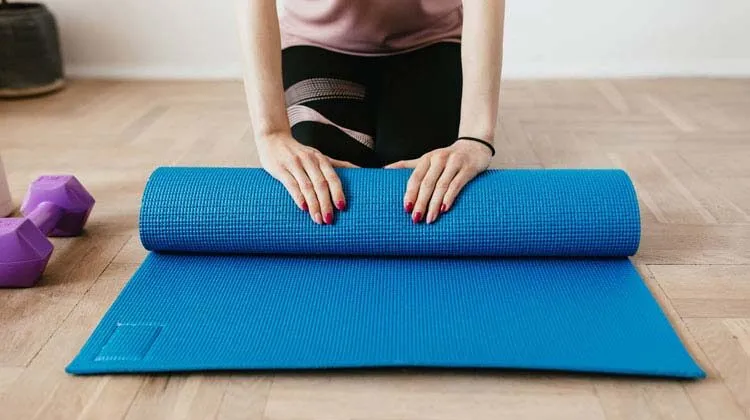
Skip the paper-thin travel mats; they dent and slide the moment you press a hip or elbow into them. A grippy, cushioned mat keeps side-lying and floor twists comfortable so you can actually hold the positions long enough to load the obliques.
Dumbbells
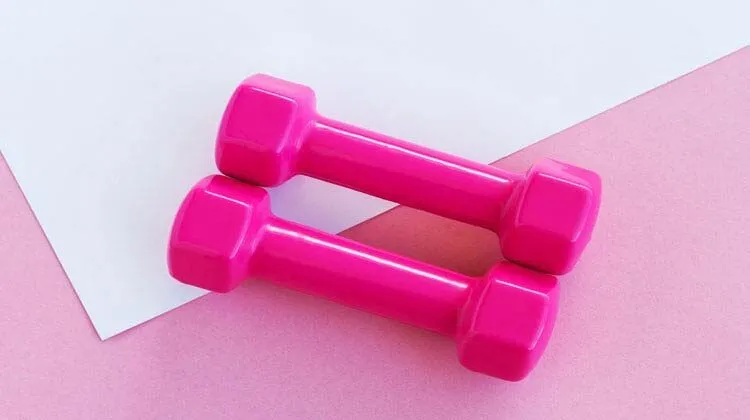
A single moderate dumbbell drives most of the loaded oblique work here. Vinyl or rubber-coated hexes sit flat, don’t roll and grip better than bare chrome. I started with one 20 lb dumbbell for weighted twists and moved up from there. An alternative for tight budgets is a resistance band anchored at chest height for standing anti-rotation work.
Adjustable bench
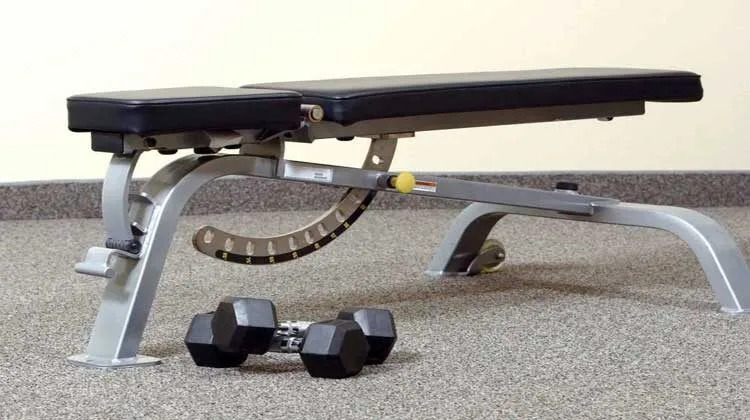
Two of the strongest movements below, decline weighted crunches and reverse crunches, need a bench that tilts. An adjustable bench that locks into incline and decline positions opens up loaded core work you simply can’t do on the floor.
Barbell
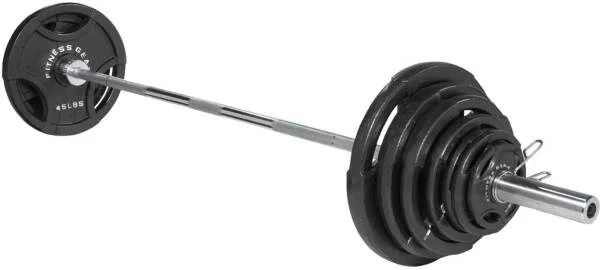
The barbell is where the real waist mass gets built, through squats, deadlifts and barbell side bends. Use a bar with a knurled, non-slip grip area and load it conservatively at first. A dropped bar is the fastest way to end a training block early.
9 exercises to build a thicker waist
Work through these two or three times a week. The first few are bodyweight patterns to groove the movement; the loaded ones from Method 5 onward are what actually add size. Warm up your lower back before any of the weighted work.
1. Seated cross-body reach
A gentle opener that wakes up the obliques.
- Sit on the mat, back tall, legs open wider than your shoulders.
- Open your arms out to the sides.
- Rotate through the trunk and reach your right hand toward your left foot.
- Return to the start, then repeat to the other side.
- Do 30 reaches per side, keeping the spine long rather than rounding over.
2. Corkscrew
A controlled lower-oblique drill. Slow beats fast here.
- Lie flat on your back, arms at your sides.
- Squeeze your legs together and lift them until your body and legs form roughly a 45-degree angle. Keep your shoulders and arms pinned to the floor.
- Lower the legs slightly to the right, feeling the obliques engage. Keep the legs pressed together the whole time.
- Bring the legs back to centre without dropping them to the floor, then repeat to the left.
- Continue side to side for 3 sets, exhaling as you move and pausing two seconds at each side.
3. Side-bend arc
Builds the stretch-and-contract pattern the loaded side bends will use later.
- Lie on your side, hip on the mat, legs slightly bent.
- Lift your hip off the mat while reaching the top arm overhead, creating a long arc through your torso.
- Lower slowly, counting to eight on the way down.
- Do 15 arcs per side.
4. Air swimming
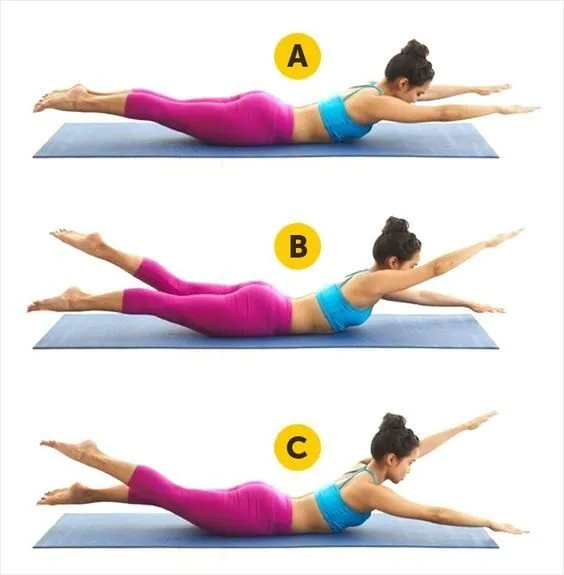
This one hits the spinal erectors that run up either side of your spine, and those muscles add real thickness to the back of the waist.
- Lie face down, thighs pressed together, arms reaching forward. Lift your arms, legs, chest and head off the floor and hold.
- Alternate: raise right arm with left leg, then left arm with right leg, without touching the floor.
- Do 10 rounds, counting to 20 each, with a 10-second rest between rounds.
5. Weighted Russian twists
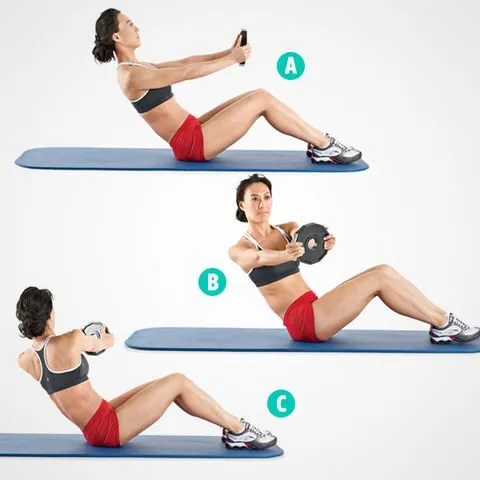
The first true growth movement. Load moves the obliques from toned to thick.
- Hold a dumbbell or weight plate with both hands. Sit on the mat, knees bent, feet flat.
- Lean back to about 45 degrees and hold the weight out in front of your chest.
- Rotate to the right using only your torso, not your arms.
- Return to centre, then rotate to the left as far as you can control.
- Do 30 twists per side. Add weight before you add reps once 30 feels easy.
6. Barbell side bends
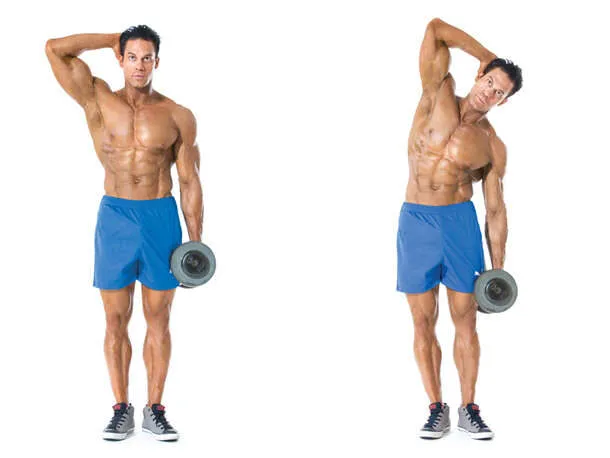
If one exercise on this list widens the waist, it is this. Start light; the range of motion is deceptive.
- Set a barbell across your traps as if to squat, feet wider than shoulders.
- Bend your knees into a shallow quarter-squat and grip the bar to keep it steady.
- Brace your deep core, then bend at the waist and lower the right side of the bar as far as feels controlled.
- Contract the opposite obliques to pull yourself back upright, then repeat to the left.
- Do 4 to 6 sets of 12 reps per side. Keep the movement strictly side to side, no leaning forward.
7. Decline weighted crunches
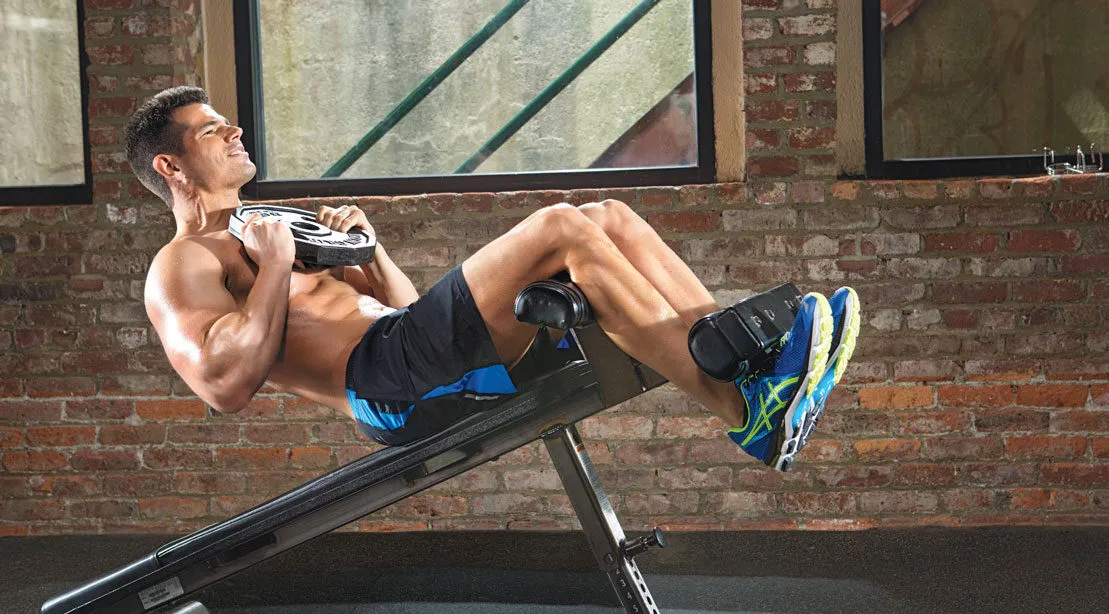
Loads the rectus abdominis through a longer range than floor crunches.
- Lie back on a decline bench holding a dumbbell over your chest with both hands, arms straight.
- Lower the weight just past your head, staying in line with your trunk, keeping the arms straight.
- Crunch up and bring the dumbbell back over the centre of your chest, lifting your trunk off the bench.
- Return slowly. Do 4 to 6 sets, adding weight on the later sets.
8. Reverse crunches on an incline bench
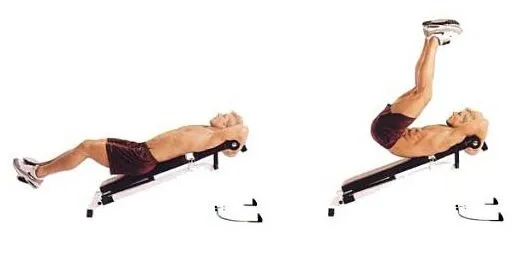
Targets the lower abs that fill out the front of the waist.
- Set the bench to roughly 135 degrees. Lie back and grip the top edge to anchor yourself.
- Contract your lower abs to lift your pelvis slightly off the bench. Do one set of 10 to learn the motion.
- Add light ankle weights (start around 5 lb each) and do 4 to 6 sets of up to 12 controlled reps.
9. Squats and deadlifts
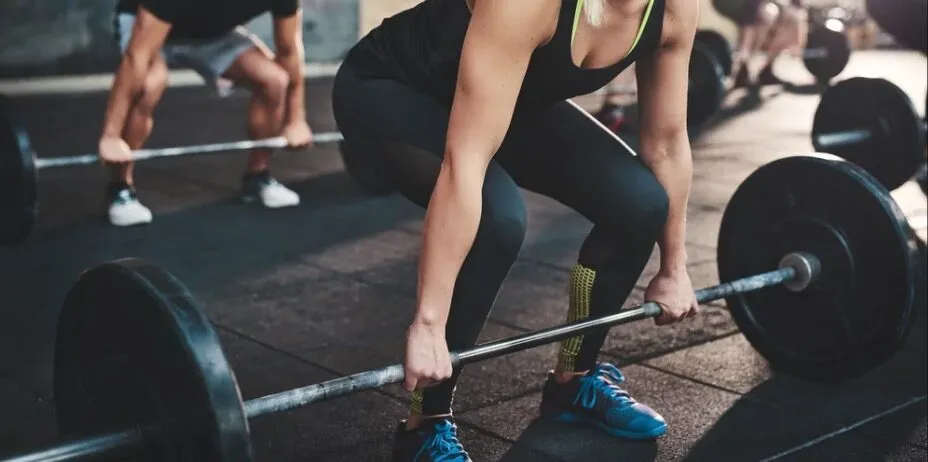
These are the quiet heavyweights of waist size. Squats and heavy pulls force your entire core, including the transverse abdominis and spinal erectors, to brace and stabilise under load. Over months of progressive overload that constant bracing thickens the trunk. Bodybuilders have long noted that heavy squatting plus a big appetite produces a blockier, rounder midsection. Run them twice a week, add small amounts of weight over time, and let them do the slow structural work the isolation drills can’t.
How to eat for a bigger waist
Nutrition outweighs every exercise on this page. Muscle needs a surplus of energy and protein to grow, and no amount of side bends builds tissue that your diet won’t feed.
Start by eating slightly more than you burn, roughly 200 to 300 calories a day above maintenance. That is enough to fuel growth without piling on excess fat. Lean into whole-food calories: rice, oats, potatoes, olive oil, nuts and lean meats, rather than junk that adds fat without supporting muscle.
Protein is the building block. The U.S. Dietary Guidelines for Americans put the healthy range at 10 to 35 percent of your daily calories from protein. As a floor, the recommended dietary allowance is about 46 grams a day for the average adult woman and 56 grams for the average adult man, and if you are training for size you will want to sit well above that floor, closer to 0.7 to 1 gram per pound of bodyweight. When I stopped guessing and actually tracked protein to 150 grams a day, the waist measurement finally started moving.
Keep some cardio in the week too, but keep it moderate. A couple of easy runs, rides or brisk walks protect your heart and lungs without burning the surplus you are working to build. Go too hard on conditioning and you erase the calories your waist needs.
Mistakes to avoid
These are the ones that cost me months.
- Training the waist but eating at maintenance. You cannot build size on the calories you already burn. If the tape isn’t moving, look at your plate before your program.
- High reps with no load. Bodyweight crunches to failure build endurance, not size. Add weight and lower the reps.
- Expecting bone width to change. If your frame is narrow, muscle is your only lever. Chasing a wider skeleton is chasing something training can’t give.
- Rushing the barbell work. Side bends and heavy pulls punish ego loading with a tweaked lower back. Add weight in small jumps.
- Skipping the surplus on rest days. Muscle grows on the days you don’t train. Keep eating.
Frequently asked questions
Can you actually make your waist wider?
You can make it thicker, not structurally wider. Bone width, the distance across your hips and lower ribs, is genetic and doesn’t change in adulthood. What you can grow is the oblique, ab and erector muscle on that frame, plus overall body mass, which together add real visible thickness to the waist.
How long does it take to get a bigger waist?
Expect 8 to 12 weeks to notice thicker obliques from loaded work, and 3 to 6 months for the heavier compound-driven trunk mass to show. A calorie surplus adds visible size fastest, within weeks, but some of that is body fat rather than muscle.
Do squats and deadlifts really thicken your waist?
Yes, indirectly. Both force your deep core and spinal erectors to brace hard under heavy load, and over months of progressive overload that builds trunk thickness. It is one reason heavy powerlifters and bodybuilders often carry blocky midsections.
Will a bigger waist ruin my V-taper?
It can. A thicker waist and a wide-shoulder taper pull in opposite directions aesthetically. If you want both, prioritise back and shoulder width and keep waist work to loaded obliques rather than chasing maximum midsection mass.
Are stomach vacuums useful for a bigger waist?
No. Vacuums train the transverse abdominis to pull the waist inward, which makes it look smaller and tighter. They’re a tool for a slimmer midsection, the opposite of the goal here.
Final thoughts
A bigger waist is a slow project, and it rewards the boring parts: loaded oblique work, heavy squats and deadlifts, and a steady calorie surplus with enough protein to build on. Accept the one thing you can’t change, your bone structure, and pour your effort into the two things you can, muscle and overall mass. Train the movements above two or three times a week, eat a little more than you burn, add weight in small honest jumps, and give it a few months. The tape measure moves for people who stay consistent long after the novelty wears off.
Got a waist-thickening tip or a favourite loaded oblique drill? Drop it in the comments below.
This content is for general information only and is not medical advice. Consult a physician before starting any exercise or nutrition program.


Leave a Reply
You must be logged in to post a comment.