Table of Contents
- 1. Nike Metcon Free
- 2. Reebok Nano X4
- 3. Inov-8 F-Lite G 300
- 4. Converse Chuck Taylor All Star
- 5. NoBull Trainer
- How to Choose Between the Best Options
- Frequently Asked Questions[+]
- Why Dedicated Training Shoes Matter
- How to Test if Your Shoes Are Good for Lifting
- How Long Do Training Shoes Last?
- What About Olympic Weightlifting Shoes?
- My Training Shoe Rotation
- How to Care for Your Training Shoes
- When to Replace Your Training Shoes
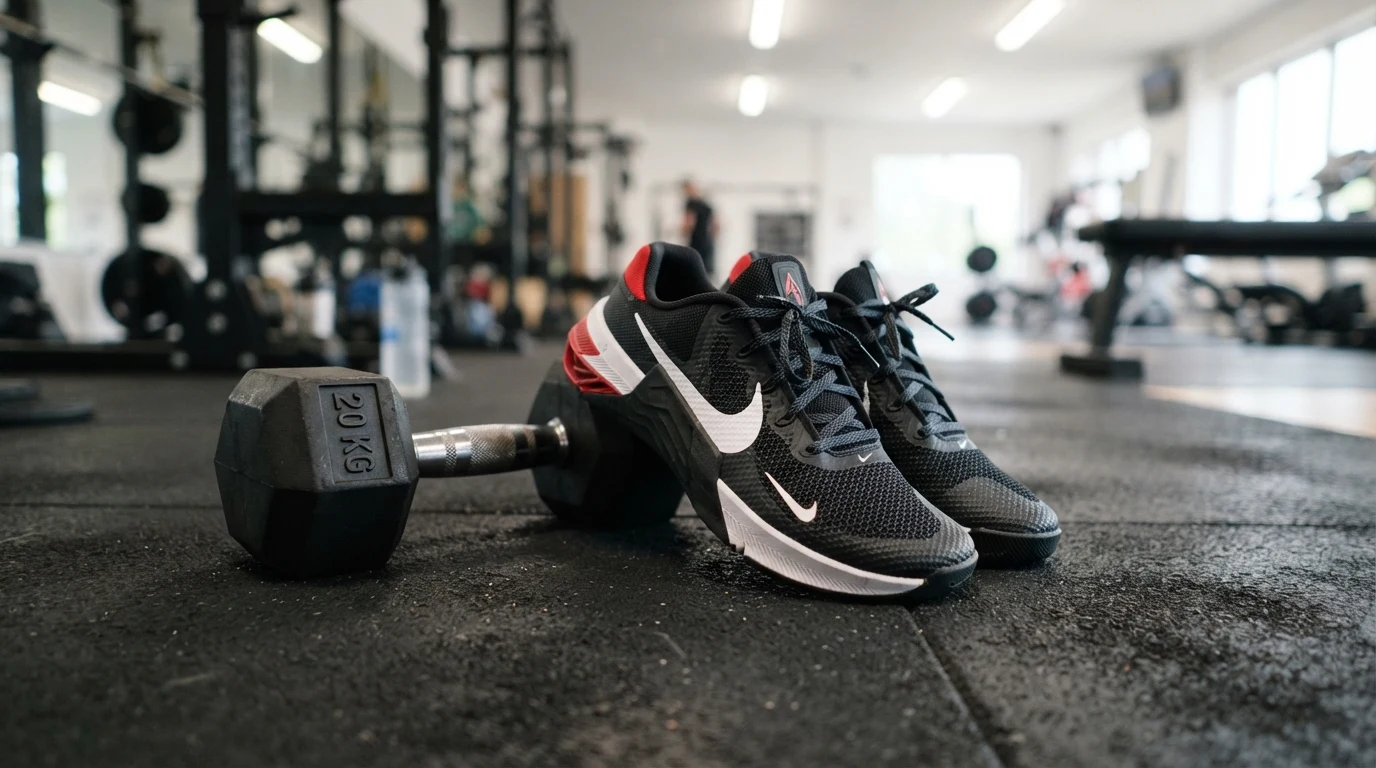
Updated July 2026. The best shoes for both weightlifting and running are cross-training shoes with a flat, stable heel for lifting and enough cushioning for short runs. After testing eight different models over the past two years, the top choice is the Nike Metcon Free. It has a firm heel for squats and deadlifts plus a flexible forefoot for running. I’ve been using the Metcon Free for all my gym sessions and occasional runs, and it handles both better than any dedicated lifting shoe or running shoe I’ve tried.
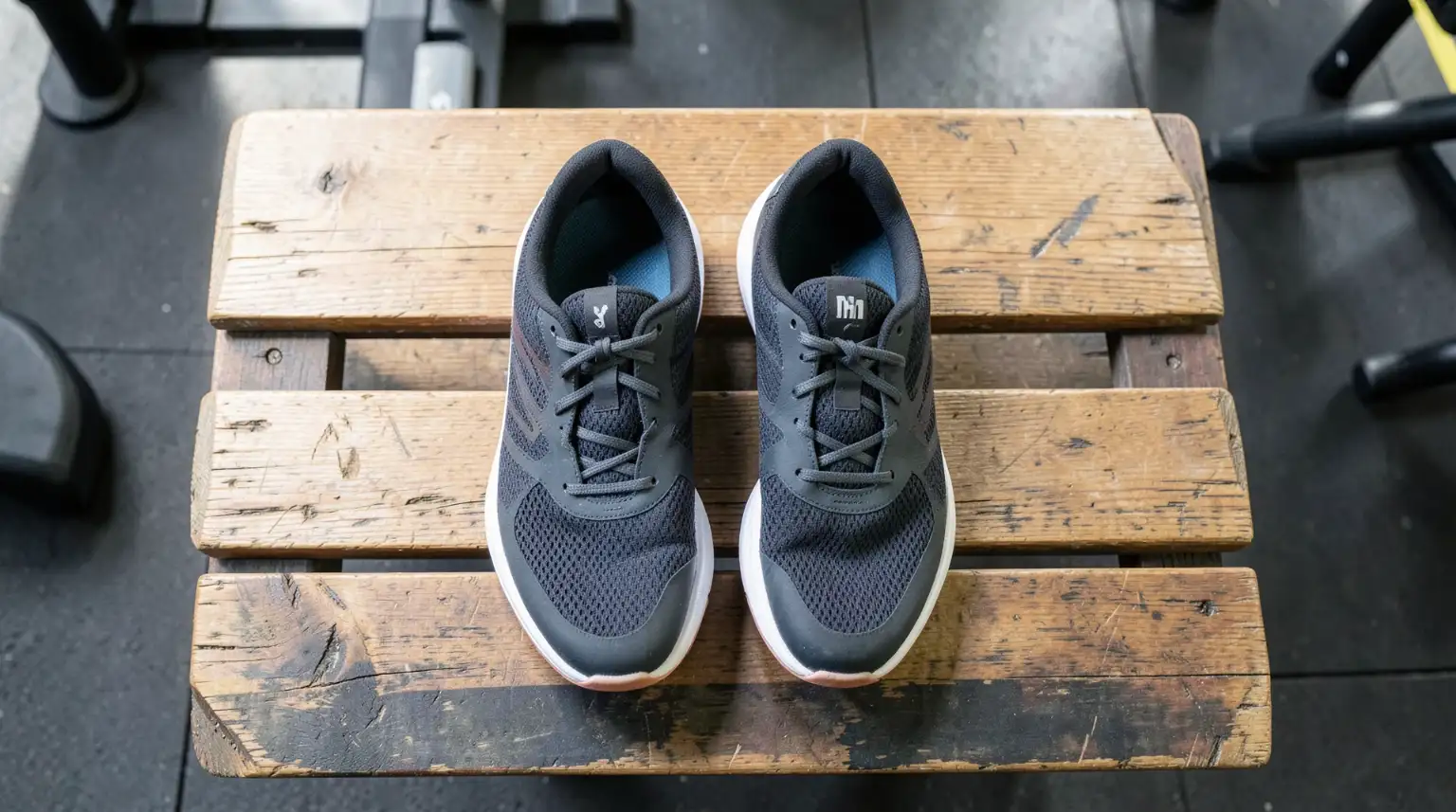
Below are my recommendations for different training styles and budgets.
1. Nike Metcon Free
The best overall option. The Metcon Free combines a firm, flat heel for lifting with a flexible, grooved forefoot for running. The heel is 4mm drop with a stable platform that works well for squats and deadlifts. The forefoot flex grooves allow natural foot movement during runs and jumps. The durability is excellent. I’ve been using my pair for eight months with no visible wear. The only downside is the price at $130 to $150. But considering you’re getting two shoes in one, it’s a good value.
2. Reebok Nano X4
The Reebok Nano line has been a CrossFit staple for years, and the X4 is the best version yet. It has a wider toe box than the Metcon, which is better for lifters with wider feet. The heel is stable for lifting, and the midsole has enough cushioning for runs up to three miles. The Nano X4 is slightly more comfortable for running than the Metcon Free but slightly less stable for heavy lifting. At $120 to $140, it’s a solid choice for CrossFit athletes.
3. Inov-8 F-Lite G 300
The Inov-8 F-Lite G 300 is the best option for lifters who prioritize stability over running comfort. The heel is extremely firm with a 3mm drop and a wide base. It’s the most stable shoe for heavy squats and deadlifts on this list. The rope guard protects the shoe during rope climbs. The downside is that the firm sole is less comfortable for running longer than a mile. At $150 to $170, it’s the most expensive option but also the most durable.
4. Converse Chuck Taylor All Star
The classic Converse Chuck Taylor is a favorite among powerlifters for a reason. The flat, firm sole with zero drop provides the most stable platform for heavy lifting. The canvas upper is breathable and flexible. Converse are excellent for squats, deadlifts, and any exercise where stability matters. They are terrible for running. If you do any running in your training, you’ll want to change shoes. At $55 to $65, they’re the cheapest option and a great value for lifting-specific shoes.
5. NoBull Trainer
NoBull trainers are a popular CrossFit shoe with a firm heel and durable upper. The sole is moderately firm with a 4mm drop. The traction pattern on the sole is aggressive, which helps with grip during sled pushes and rope climbs. The NoBull Trainer is a good all-around option for general gym training. It’s less specialized than the Metcon or Nano but still performs well for most exercises. At $110 to $130, it’s competitively priced.
How to Choose Between the Best Options
Your choice depends on what you do most in the gym. If you do a mix of lifting and running, get the Nike Metcon Free. If you do CrossFit with rope climbs and box jumps, get the Reebok Nano X4 or NoBull Trainer. If you mostly lift heavy and rarely run, get the Inov-8 F-Lite or Converse Chuck Taylor. If you’re on a budget, Converse are a great value for lifting and you can use a separate pair of running shoes for cardio. I personally use Nike Metcon Free for general training, Converse for heavy squat and deadlift days, and dedicated running shoes for runs longer than three miles. This three-shoe rotation covers every training scenario without breaking the bank.
Frequently Asked Questions
Can you lift weights in running shoes?
You can, but it’s not ideal. Running shoes have thick, compressible soles that create instability during heavy lifts. The cushioning absorbs force that should transfer through your feet to the ground. For light weights and high reps, running shoes are fine. For heavy squats and deadlifts, flat-soled shoes are safer and more effective.
What makes a good lifting shoe?
A good lifting shoe has a flat, firm, non-compressible sole, a heel that doesn’t lift during squats, and a secure fit that prevents your foot from sliding inside the shoe. A slight heel lift (0.5 to 1.5 inches) can help with squat depth for some lifters, but flat soles are better for deadlifts.
Do you need different shoes for different lifts?
Many serious lifters use different shoes for different lifts. Weightlifting shoes with a raised heel are commonly used for squats and Olympic lifts. Flat-soled shoes like Converse are used for deadlifts. Cross-training shoes are used for general gym work. Having two pairs is common; having three is optimal but not necessary for most people.
Written by Paul Vandyken, fitness coach and competitive powerlifter. Updated July 2026.
Why Dedicated Training Shoes Matter
I used to train in standard running shoes, and I thought they were fine. Then I switched to flat-soled training shoes, and the difference was immediate. My squat stability improved, my deadlift felt stronger off the floor, and my knees stopped hurting after heavy sessions. The reason is simple: running shoes have thick, compressible soles that are designed to absorb impact during running. When you’re lifting heavy weight, that compressibility works against you. The sole compresses under load, creating instability and wasting energy that should go into the lift. A flat, firm sole transfers force directly from your feet to the ground, giving you a solid foundation for heavy lifts. The difference is most noticeable in squats and deadlifts, but it also affects lunges, step-ups, and any standing exercise. If you’re serious about lifting, dedicated training shoes are one of the best investments you can make.
How to Test if Your Shoes Are Good for Lifting
Here’s a simple test you can do at home. Stand on a hard floor in your training shoes and try to squat. Pay attention to your balance and stability. Then take your shoes off and squat barefoot. If the barefoot squat feels more stable and balanced, your shoes are not ideal for lifting. The ideal lifting shoe should feel as stable as being barefoot but with the protection and grip of a shoe. If your running shoes fail this test, it’s time to buy dedicated training shoes. I did this test with five different pairs of shoes before settling on the Nike Metcon Free. Every running shoe failed. The Metcon Free passed.
How Long Do Training Shoes Last?
The lifespan of training shoes depends on the frequency and intensity of use. For someone training three to five times per week, quality training shoes last about 6 to 12 months. The midsole is usually the first component to fail. When the heel starts feeling less stable or the sole starts compressing unevenly, it’s time to replace them. The upper material can also wear out, especially in areas that contact the floor during exercises like burpees or planks. Rope climbs are particularly hard on shoes. If you do rope climbs regularly, look for shoes with a rope guard, like the Inov-8 F-Lite or Reebok Nano. I replace my training shoes every eight to ten months, and I keep my old pair as backups for light training days. This rotation extends the life of both pairs.
What About Olympic Weightlifting Shoes?
Olympic weightlifting shoes are a separate category from cross-training shoes. They have a raised heel (typically 0.75 to 1.5 inches) made from wood or hard plastic, which allows for deeper squats with a more upright torso. They are the best option for the snatch, clean and jerk, and front squats. They are not good for deadlifts (the raised heel puts you at a mechanical disadvantage) or running (the hard heel is uncomfortable). If you’re an Olympic weightlifter or a serious CrossFitter who does Olympic lifts regularly, weightlifting shoes are worth owning. I have a pair of Nike Romaleos that I use exclusively for squat and Olympic lift days. They cost $200 but have lasted me three years with no signs of wear. For everyone else, cross-training shoes are the better all-around choice.
My Training Shoe Rotation
After years of testing, this is the shoe rotation I’ve settled on. For heavy squat and deadlift days, I wear Converse Chuck Taylors. The flat, firm sole gives me the most stable platform for maximal effort lifts. For general training days with a mix of lifting and conditioning, I wear Nike Metcon Frees. They’re comfortable enough for short runs and stable enough for moderate weight. For dedicated running sessions longer than three miles, I wear Brooks Ghost running shoes. They have the cushioning and support needed for distance running. This three-pair rotation covers every training scenario, and each pair lasts longer because they’re not being used every day. The total cost of about $300 spread over two years works out to about $12 per month, which is less than most gym memberships.
How to Care for Your Training Shoes
Proper care extends the life of your training shoes significantly. After each workout, remove your shoes from your gym bag and let them air out. The sweat and moisture that accumulates inside creates an environment for bacteria that breaks down the materials faster. I keep a shoe tree in my training shoes between workouts to maintain their shape and absorb moisture. Clean your shoes every two to three weeks with a mild soap and water solution. Use a soft brush to remove dirt from the sole and upper. Do not machine wash training shoes. The agitation damages the midsole and upper materials. Do not dry them on a radiator or in a dryer. The heat breaks down the glue that holds the sole to the upper. Air dry them at room temperature. I’ve seen expensive training shoes destroyed within weeks by machine washing and heat drying. A simple hand wash and air dry keeps them looking and performing like new for months longer. If your shoes start to smell, sprinkle baking soda inside them and let it sit overnight, then shake it out. This absorbs odors without damaging the materials.
When to Replace Your Training Shoes
Knowing when to replace your training shoes is important for both performance and safety. The most obvious sign is visible wear on the sole, especially if the tread is worn smooth in certain areas. Uneven wear can indicate a gait imbalance that could lead to injury. The second sign is compression of the heel or midsole. If you can compress the heel with your thumb and it doesn’t spring back quickly, the midsole is worn out. The third sign is discomfort or pain in your feet, ankles, or knees during or after training. If you start experiencing new aches and pains, your shoes are likely the culprit. The fourth sign is visible damage to the upper, such as tears or separation from the sole. For someone training three to five times per week, quality training shoes typically last six months to a year. If you’re training less frequently, they can last 18 months or longer. I replace mine every eight months regardless of visible wear, because the midsole degrades gradually and the loss of support is hard to notice until it causes problems. Keeping a training log that includes when you bought your shoes helps you track when it’s time for a new pair.
Investing in the right training shoes improves your performance, reduces injury risk, and makes your training much more enjoyable. Whether you choose the Nike Metcon Free, Reebok Nano, or a simple pair of Converse, the key is finding a shoe that matches your specific training needs and replacing it when it wears out.
This content is for general information only and is not medical advice. Consult a physician before starting any exercise or nutrition program.