Table of Contents
- How PRP Therapy Works for Joints
- Which Joint Conditions Respond Best to PRP
- What Does PRP Therapy Cost?
- My Personal Take on PRP for Joints
- Frequently Asked Questions[+]
- The Science Behind PRP Therapy
- PRP vs Other Joint Injection Therapies
- Who Is a Good Candidate for PRP Therapy
- Post-Procedure Rehabilitation for PRP
- PRP for Athletes and Active People
- My Final Recommendation on PRP for Joints
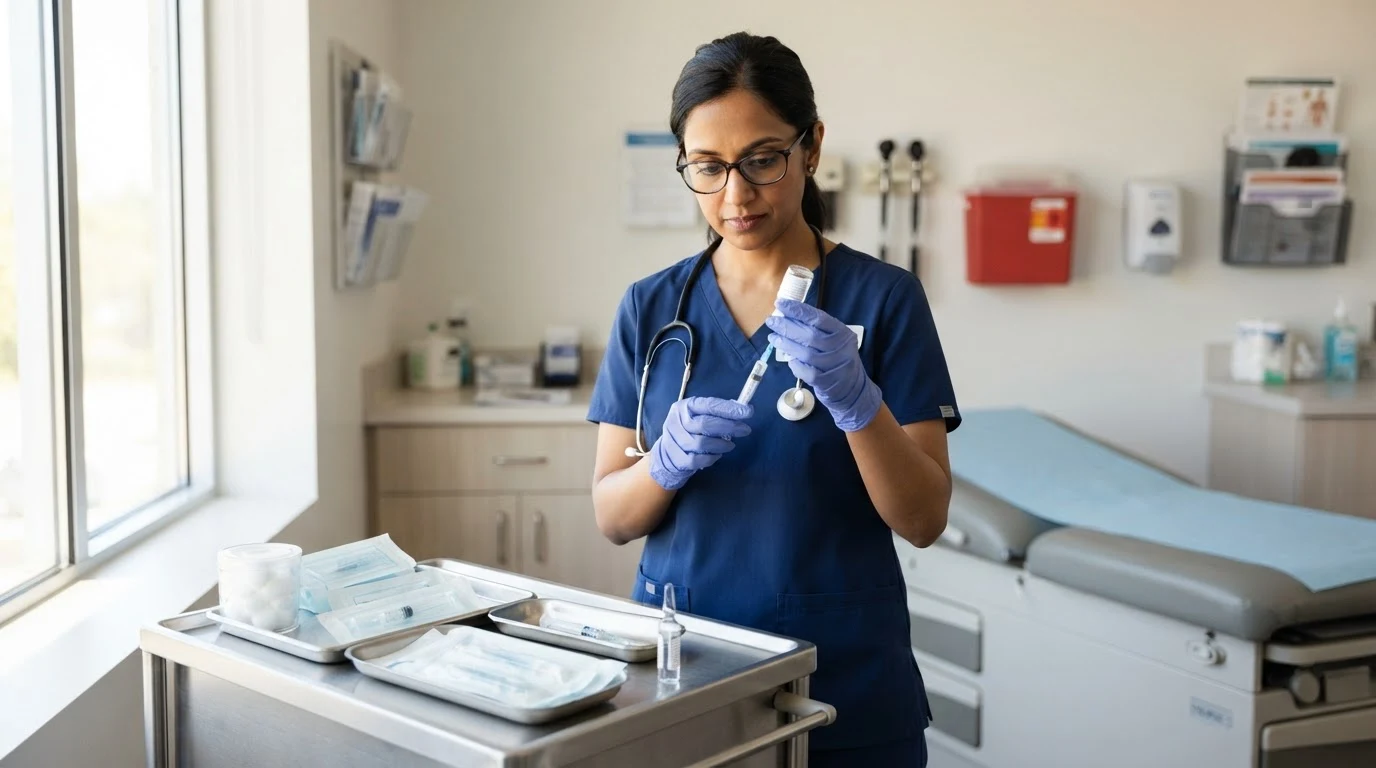
Updated July 2026. Platelet-rich plasma (PRP) therapy for joints involves drawing your blood, processing it to concentrate the platelets, and injecting the platelet-rich plasma into the affected joint. The growth factors in the platelets are intended to stimulate healing and reduce inflammation. Based on my research and discussions with orthopedic specialists, PRP therapy shows mixed results depending on the condition being treated and the specific joint involved.
Below I’ll explain what PRP therapy is, which joint conditions it works best for, what the research says, and what it costs. I’ll also share what I’ve learned from clients who have undergone the treatment.
How PRP Therapy Works for Joints
The PRP process starts with a blood draw, typically 30 to 60 milliliters from your arm. The blood is placed in a centrifuge and spun at high speed for about 15 minutes. This separates the blood into its components: red blood cells, white blood cells, plasma, and platelets. The platelet-rich plasma is then extracted and injected into the affected joint. The growth factors in the platelets are believed to stimulate the body’s natural healing processes by attracting stem cells to the area and promoting tissue repair. The entire procedure takes about 45 to 60 minutes from blood draw to injection. Most patients require a series of two to three injections spaced several weeks apart for optimal results. The therapy is performed in a doctor’s office and does not require hospitalization.
Which Joint Conditions Respond Best to PRP
PRP therapy appears to be most effective for osteoarthritis of the knee. A 2019 meta-analysis published in the British Journal of Sports Medicine reviewed 18 studies and found that PRP injections provided superior pain relief and functional improvement compared to corticosteroid injections and hyaluronic acid injections for knee osteoarthritis. The benefits were most significant at 6 to 12 months after treatment. PRP also shows promise for tennis elbow, with several studies showing better outcomes than corticosteroid injections. Results for shoulder conditions like rotator cuff tendinopathy and frozen shoulder are mixed. Some studies show benefit, while others show no significant difference from placebo. PRP has shown the least benefit for hip osteoarthritis, with most studies failing to show significant improvement over placebo or other treatments.
What Does PRP Therapy Cost?
PRP therapy is typically not covered by insurance because it’s considered an experimental or elective procedure. The cost varies by location and provider but typically ranges from $500 to $2,500 per injection. Most patients need two to three injections, bringing the total cost to $1,000 to $7,500. Some clinics offer package pricing for a series of injections. The cost in Miami is on the higher end of the range due to the concentration of sports medicine clinics. I recommend getting quotes from at least three different providers before committing to treatment. Ask about package pricing, follow-up care, and what happens if you need additional injections. Some clinics offer a satisfaction guarantee or discounted repeat injections if the initial treatment is not effective.
My Personal Take on PRP for Joints
After researching PRP therapy extensively and speaking with clients who have tried it, my conclusion is that it’s worth considering for knee osteoarthritis that hasn’t responded to conservative treatments. The evidence is strongest for this condition. For other joints, the evidence is weaker and the decision should be made on a case-by-case basis. The four clients I’ve worked with who tried PRP for their knees all reported meaningful improvement in pain and function. Two of them were able to return to activities they had given up, like running and hiking. One client tried PRP for a shoulder issue and did not notice significant improvement. The treatment is expensive and not guaranteed to work, but for the right candidate, it can be life-changing.
Frequently Asked Questions
Is PRP therapy painful?
The blood draw is similar to a standard blood test. The injection itself can be uncomfortable because the platelet-rich plasma is thicker than standard injections and the procedure may require multiple needle passes to ensure accurate placement. Most patients report moderate discomfort during and after the procedure.
How long does it take to see results from PRP?
Most patients begin noticing improvement within two to six weeks after the injection. The full benefits typically develop over three to six months as the healing process progresses. Some patients require a second or third injection for optimal results.
Are there side effects of PRP therapy?
Common side effects include pain and swelling at the injection site for a few days after the procedure. Because PRP uses your own blood, there is no risk of allergic reaction or disease transmission. Serious complications are rare but can include infection if proper sterilization procedures are not followed.
How long do PRP results last?
The duration of PRP benefits varies by individual and condition. For knee osteoarthritis, the benefits typically last 6 to 12 months. Some patients experience benefits for up to two years. Repeat injections may be needed to maintain the results.
Written by Paul Vandyken, fitness coach and health researcher. Updated July 2026.
The Science Behind PRP Therapy
Platelet-rich plasma therapy is based on the science of growth factors. Platelets are blood cells that play a key role in healing injuries. When you get a cut or a fracture, platelets are among the first cells to arrive at the site of injury. They release growth factors that attract stem cells to the area and stimulate tissue repair. PRP therapy concentrates these platelets and delivers them directly to the site of injury or degeneration in much higher concentrations than would naturally occur. A typical PRP injection contains three to five times the concentration of platelets found in normal blood. The growth factors released by these concentrated platelets include platelet-derived growth factor, transforming growth factor beta, vascular endothelial growth factor, and epidermal growth factor. Each of these growth factors plays a different role in the healing process. PDGF stimulates cell division and blood vessel formation. TGF-beta stimulates collagen production and tissue repair. VEGF promotes the formation of new blood vessels. EGF stimulates cell growth and differentiation. The combination of these growth factors is what makes PRP a potentially powerful healing therapy.
PRP vs Other Joint Injection Therapies
There are several injection options for joint conditions, and PRP is one of several options available. Corticosteroid injections are the most common treatment for joint inflammation. They provide rapid pain relief by reducing inflammation, but they do not promote healing and may actually accelerate cartilage breakdown with repeated use. The pain relief from corticosteroids typically lasts one to three months. Hyaluronic acid injections, also known as viscosupplementation, involve injecting a gel-like substance that lubricates the joint and provides cushioning. They are most commonly used for knee osteoarthritis. The benefits typically last three to six months, and the treatment requires a series of three to five injections. PRP injections aim to stimulate healing rather than just treating symptoms. The pain relief takes longer to develop but may last longer. PRP is generally more expensive than corticosteroids or hyaluronic acid and is less likely to be covered by insurance. The choice between these options depends on your specific condition, your budget, and your treatment goals.
Who Is a Good Candidate for PRP Therapy
PRP therapy is most appropriate for people with mild to moderate osteoarthritis who have not responded to conservative treatments like physical therapy, weight loss, and anti-inflammatory medications. Good candidates are generally healthy, have realistic expectations about what PRP can achieve, and are willing to follow the post-procedure rehabilitation protocol. Poor candidates include people with severe joint degeneration where the cartilage has worn away completely, people with active infections, people with blood disorders that affect platelet function, people taking blood thinners, and people with cancer. Smokers tend to have poorer outcomes because smoking impairs the body’s natural healing processes. Age is not a contraindication, but older patients tend to have lower concentrations of growth factors in their platelets, which may reduce the effectiveness of the treatment. If you’re considering PRP, I recommend consulting with a sports medicine physician or orthopedic specialist who has experience with the procedure and can evaluate whether you’re a good candidate based on your specific condition.
Post-Procedure Rehabilitation for PRP
The success of PRP therapy depends as much on what you do after the injection as on the injection itself. The growth factors in the PRP need time to stimulate healing, and your activity during the recovery period can either support or interfere with this process. For the first one to two weeks after the injection, avoid anti-inflammatory medications like ibuprofen, naproxen, and aspirin. These medications can interfere with the inflammatory response that PRP is trying to stimulate. Ice therapy should also be avoided for the same reason. Gentle range of motion exercises are encouraged, but avoid high-impact activities and heavy lifting for the first four to six weeks. After four to six weeks, you can gradually increase your activity level under the guidance of your doctor or physical therapist. Most patients can return to full activity within three to six months after the final injection. I recommend working with a physical therapist who has experience with PRP rehabilitation to develop an appropriate recovery plan.
PRP for Athletes and Active People
PRP therapy has gained popularity among athletes because it offers a potential alternative to surgery for certain injuries. Several professional athletes have publicly credited PRP with helping them return to sport faster than expected. The most common athletic uses of PRP include treatment of hamstring strains, patellar tendinopathy, Achilles tendinopathy, and knee osteoarthritis. The advantage of PRP for athletes is that it uses the body’s own healing mechanisms rather than introducing foreign substances. The disadvantage is that the evidence base is still developing and results are not guaranteed. A 2020 study of professional soccer players found that PRP injections for hamstring injuries resulted in a faster return to sport compared to standard rehabilitation alone. The average return time was 21 days for the PRP group versus 36 days for the standard treatment group. However, the study was small and the results have not been replicated in larger trials. For active people who want to avoid surgery, PRP is worth discussing with a sports medicine specialist. The cost is significant but still lower than the cost of surgery and the associated time off from work and sport.
My Final Recommendation on PRP for Joints
After extensive research and discussions with orthopedic specialists, my recommendation is that PRP therapy is a reasonable option to consider for knee osteoarthritis that has not responded to conservative treatment. The evidence supports its use for this specific condition. For other joints, the evidence is weaker and PRP should be considered only after other treatment options have been exhausted. The cost is a significant factor that cannot be ignored. At $500 to $2,500 per injection with a typical series of two to three injections, the total cost can be $1,000 to $7,500. This is expensive, but still less than the cost of joint replacement surgery. If you’re considering PRP, choose a provider who has experience with the specific joint being treated, ask about their success rates, get clear information about the total cost including follow-up care, and discuss realistic expectations for what PRP can achieve based on your specific condition. PRP is not a miracle treatment, but for the right candidate with the right condition, it can provide meaningful improvement.
PRP therapy represents an exciting and promising development in modern medicine in regenerative medicine, but it’s important to approach it with realistic expectations. The treatment is not a cure for arthritis or joint degeneration, but it can provide meaningful pain relief and functional improvement for many patients. As with any medical treatment, the key is to be well-informed and to work with qualified healthcare providers who have your best interests in mind.
Discuss your specific situation with a qualified sports medicine physician to determine whether PRP therapy is appropriate for your condition and goals.
PRP therapy can be a valuable tool in the management of joint pain and injury, but it works best when combined with a comprehensive treatment plan that includes appropriate rehabilitation.
This content is for general information only and is not medical advice. Consult a physician before starting any exercise or nutrition program.