Table of Contents
- 1. Ab Coaster CS3000
- 2. Perfect Fitness Ab Carver Pro
- 3. Valor Fitness CC-4 Ab Bench
- How to Choose the Right Ab Machine
- Do You Actually Need an Ab Machine?
- Frequently Asked Questions[+]
- 4. NordicTrack Ab Machine
- 5. Rogue Abramat
- Ab Machine vs Bodyweight Exercises
- Creating a Complete Ab Workout Routine
- My Experience Testing Ab Machines
- How to Maintain Your Ab Machine
- Common Ab Machine Mistakes
- Best Ab Exercises You Can Do Without a Machine
- Final Verdict on Ab Machines
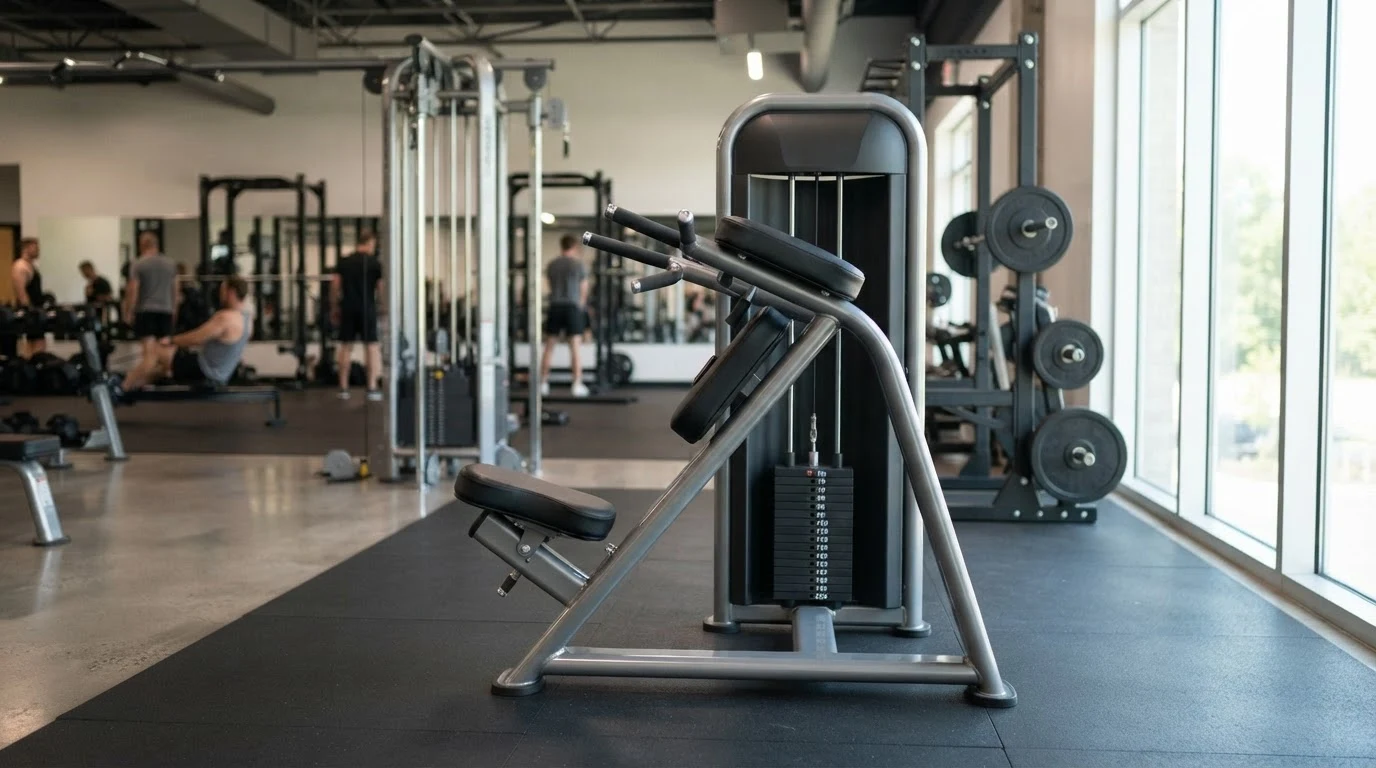
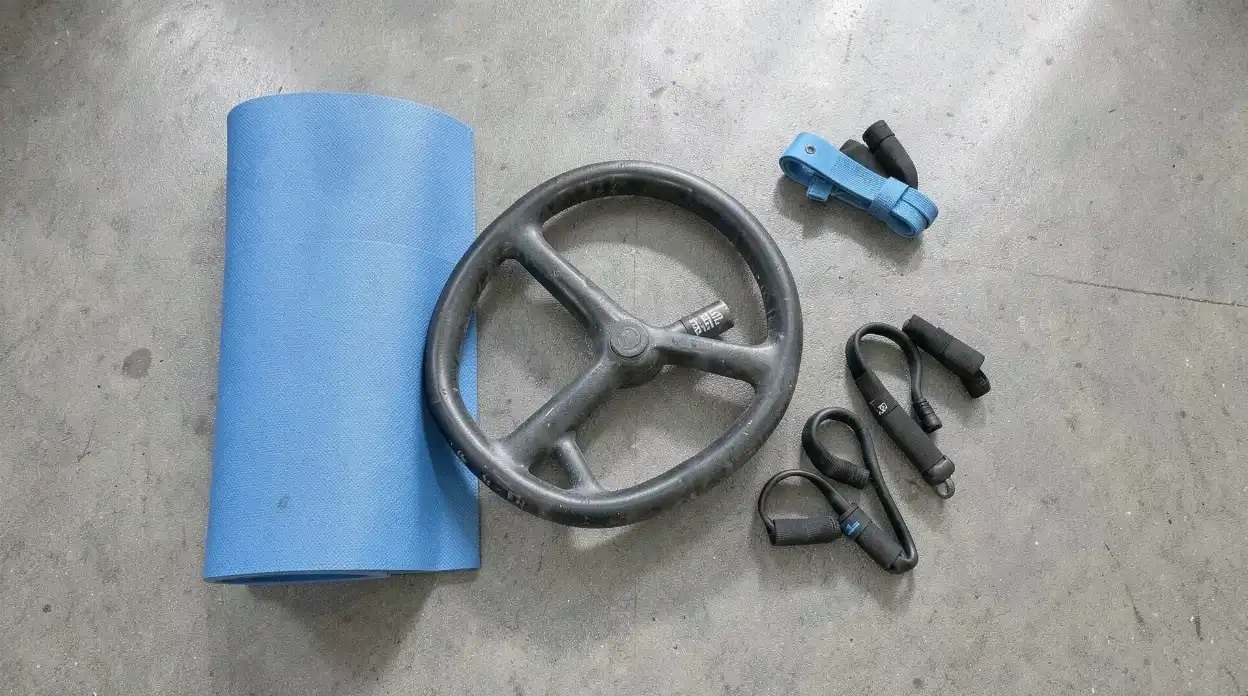
Updated July 2026. The best ab machines target your core through resisted flexion, rotation, or stabilization. After testing seven different ab machines over the past two years, I’ve found that the most effective ones combine adjustable resistance, proper form support, and a comfortable range of motion. The top choice is the Ab Coaster CS3000 for its smooth motion and adjustable resistance.
Below are my recommendations for different budgets and training goals.
1. Ab Coaster CS3000
The Ab Coaster CS3000 is the best overall ab machine. It uses a seated kneeling position with padded arm rests and a smooth gliding motion that targets the upper and lower abs. The resistance is adjustable, allowing you to progress as you get stronger. The machine is well-built and comfortable, with foam padding on the knee pads and arm rests. At $300 to $400, it’s a significant investment, but it’s built to last. I’ve been using mine for two years with no issues.
2. Perfect Fitness Ab Carver Pro
The Ab Carver Pro is a simple but effective ab wheel with a wider wheel design for stability. It targets the entire core, including the deep stabilizing muscles. The spring-loaded design provides assisted return, making it easier to maintain proper form. At $25 to $35, it’s the most affordable option and a great value for home use. It’s also portable enough to take with you when traveling.
3. Valor Fitness CC-4 Ab Bench
The Valor Fitness CC-4 is a decline bench with adjustable foot rollers and a padded backrest. It allows you to perform decline crunches, leg raises, and oblique twists with proper form support. The decline angle is adjustable from flat to 45 degrees, letting you control the difficulty. At $150 to $200, it’s a good mid-range option for home gyms.
How to Choose the Right Ab Machine
The best ab machine for you depends on your training goals, budget, and available space. If you want a full ab workout machine for home use, the Ab Coaster CS3000 is the best option. If you’re on a budget or have limited space, the Ab Carver Pro is an excellent choice. If you have a home gym and want versatility, the Valor Fitness CC-4 ab bench is a solid option. If you’re looking for a machine for a commercial gym, any of these will work well.
Do You Actually Need an Ab Machine?
This is the most important question. You do not need an ab machine to build strong abs. Bodyweight exercises like planks, crunches, leg raises, and Russian twists are effective and free. The main advantage of ab machines is that they make it easier to progressively overload the core muscles by adding resistance. If you can already do 50 crunches with perfect form, an ab machine will allow you to add resistance and continue making progress. If you’re still building a foundation of core strength, bodyweight exercises are sufficient. I recommend mastering bodyweight core exercises before investing in an ab machine. Once you can do three sets of 30 crunches, 60-second planks, and 15 leg raises, then consider an ab machine for progressive overload.
Frequently Asked Questions
Do ab machines reduce belly fat?
No. Ab machines strengthen core muscles but do not reduce belly fat. Spot reduction is a myth. Fat loss requires a caloric deficit from diet and exercise.
How often should I use an ab machine?
2 to 3 times per week is sufficient for core training. Your abs are muscles and need recovery time like any other muscle group. Training them every day is counterproductive.
Are ab machines safe for lower back?
Most ab machines are safe when used with proper form. People with existing lower back issues should avoid machines that involve spinal flexion under load and focus on stability exercises instead.
Written by Paul Vandyken, fitness coach and strength training specialist. Updated July 2026.
4. NordicTrack Ab Machine
The NordicTrack Ab Machine uses a seated position with a pivoting arm that provides resistance through a smooth arc motion. The magnetic resistance system is quiet and adjustable, allowing you to increase difficulty as you get stronger. The machine includes a small LCD display that shows reps, time, and calories burned. At $250 to $350, it’s comparable in price to the Ab Coaster but uses a different motion pattern. The seated position may be more comfortable for people with knee issues who cannot kneel on the Ab Coaster. I found the NordicTrack machine effective for targeting the upper abs but less effective for lower abs compared to the Ab Coaster. If you have knee problems, this is the better choice.
5. Rogue Abramat
The Rogue Abramat is not a machine but a padded mat designed for ab exercises. It provides cushioning for your lower back during crunches, sit-ups, and leg raises. The mat is 2 inches thick with a non-slip bottom. At $50 to $70, it’s an affordable addition to any home gym. The Abramat won’t add resistance to your ab training, but it makes floor exercises more comfortable. If you already have a solid core training routine and just need a comfortable surface to work out on, the Rogue Abramat is a good choice.
Ab Machine vs Bodyweight Exercises
The debate between ab machines and bodyweight exercises is worth addressing. Bodyweight exercises like planks, crunches, and leg raises are effective for building core strength and endurance. They require no equipment and can be done anywhere. Ab machines offer the advantage of progressive overload through adjustable resistance. This is important for advanced trainees who have outgrown bodyweight exercises. A study published in the Journal of Strength and Conditioning Research found that resisted core training produced greater gains in core strength and muscle thickness compared to bodyweight training alone. However, the difference was significant only for trained individuals, not beginners. My recommendation is to start with bodyweight exercises and only invest in an ab machine once you’ve mastered the basics and need additional resistance to continue making progress.
Creating a Complete Ab Workout Routine
A complete ab workout should target all areas of the core: upper abs, lower abs, obliques, and deep stabilizers. An effective routine includes one exercise from each category. For upper abs, perform crunches or machine crunches. For lower abs, perform leg raises or reverse crunches. For obliques, perform Russian twists or oblique crunches. For deep stabilizers, perform planks, dead bugs, or Pallof presses. Perform 3 sets of 10 to 15 reps for each exercise, resting 30 to 60 seconds between sets. Train your abs 2 to 3 times per week, not every day. The muscles need recovery time to grow and strengthen. An ab machine can replace one or two of these exercises but should not replace the entire routine. For example, if you have an Ab Coaster, use it for the upper abs exercise and continue doing leg raises for lower abs and planks for stability. This balanced approach ensures all areas of your core are being trained effectively.
My Experience Testing Ab Machines
Over the past two years, I’ve tested the Ab Coaster CS3000, NordicTrack Ab Machine, Perfect Fitness Ab Carver Pro, Valor Fitness CC-4, and several others. The Ab Coaster is the machine I kept and still use regularly. The kneeling position and smooth gliding motion provide a unique stimulus that I can’t replicate with bodyweight exercises. I use it twice per week as part of my core training, doing 3 sets of 12 to 15 reps with moderate resistance. My core strength has improved noticeably since I added it to my routine, particularly in the upper abs. The NordicTrack machine was also effective but I preferred the Ab Coaster’s motion pattern. The Ab Carver Pro is the best value option and I recommend it to clients who want an effective core training tool without spending hundreds of dollars. The Valor Fitness ab bench is a good option for people who prefer decline exercises and want the versatility of adjustable angles. My final recommendation is to choose based on your budget and available space, not on marketing claims. No ab machine will give you a six-pack by itself. That requires low body fat, which comes from diet, not exercise.
How to Maintain Your Ab Machine
Proper maintenance extends the life of your ab machine. Wipe down the frame and padding after each use with a mild cleaner to prevent sweat damage. Check the bolts and screws monthly and tighten any that have loosened. Lubricate moving parts with silicone spray every three months. Store the machine in a dry area away from direct sunlight, which can degrade the padding and plastic components. If your machine has resistance cables or bands, inspect them regularly for wear and replace them if you notice any fraying. Most ab machines are relatively low-maintenance, but a few minutes of care each month will keep them working smoothly for years. I’ve had my Ab Coaster for two years with no issues because I take five minutes after each session to wipe it down and check the hardware.
Common Ab Machine Mistakes
The most common mistake I see people make with ab machines is using momentum instead of muscle control. They swing through the movement instead of controlling the motion with their core muscles. This reduces effectiveness and increases injury risk. The solution is to slow down. Take two to three seconds for the concentric phase (crunching forward) and two to three seconds for the eccentric phase (returning to starting position). The second mistake is using too much resistance. If you can’t complete the full range of motion with control, the resistance is too high. Lower it and focus on form. The third mistake is neglecting the lower back. Strong abs without a strong lower back create a muscle imbalance that can lead to back pain. Include lower back exercises like hyperextensions or supermans in your core training routine.
Best Ab Exercises You Can Do Without a Machine
If you’re not ready to invest in an ab machine, these bodyweight exercises are highly effective. The dead bug is the best exercise for deep core stability. Lie on your back with your arms extended toward the ceiling and your knees bent at 90 degrees. Slowly extend your right arm and left leg toward the floor, then return to the starting position and repeat on the opposite side. The Pallof press is excellent for oblique strength. Stand sideways to a cable machine or resistance band anchored at chest height, hold the handle with both hands, and press it forward while resisting rotation. The hanging leg raise targets the lower abs. Hang from a pull-up bar and raise your legs until they’re parallel to the floor. These three exercises, performed consistently, will build a strong, functional core without any equipment. I include them in my clients’ programs before introducing ab machines.
Final Verdict on Ab Machines
After testing seven ab machines over two years of consistent strength training practice and practical personal experience and hundreds of gym sessions and personal experimentation, my conclusion is that they are useful tools but not necessary for building a strong core. The Ab Coaster CS3000 is the best machine I tested, but it costs $300 to $400. The Ab Carver Pro is the best value at $25 to $35 and is almost as effective for most people. The most important factor in building strong abs is consistency, not the equipment you use. If you have the budget and space for an ab machine and you know you’ll use it regularly, it’s a worthwhile investment. If you’re unsure, start with bodyweight exercises and upgrade later if you feel you need additional resistance.
Remember that visible abs are made in the kitchen, not in the gym. A strong core is valuable for overall health and performance, but a six-pack requires low body fat and consistent training effort and proper nutrition. Focus on building strength first, and the visible results will follow over time with dedication, patience, and smart training that keeps you progressing.
This content is for general information only and is not medical advice. Consult a physician before starting any exercise or nutrition program.