Table of Contents
- What You Can Eat on the Paleo Diet
- Does the Paleo Diet Work for Weight Loss?
- Common Mistakes on the Paleo Diet
- Paleo and Athletic Performance
- Frequently Asked Questions[+]
- Paleo Meal Plan for Beginners
- Paleo vs. Keto vs. Mediterranean Diet
- Paleo-Friendly Substitutions for Common Foods
- How to Eat Paleo on a Budget
- Paleo Diet Science: What the Research Actually Says
- My Personal Experience with the Paleo Diet
- Who Should Not Try the Paleo Diet
- Paleo Diet and Gut Health
Updated July 2026. The Paleo diet focuses on whole foods that our hunter-gatherer ancestors would have eaten: meat, fish, vegetables, fruits, nuts, and seeds. It excludes grains, legumes, dairy, refined sugar, and processed foods. I’ve been eating Paleo on and off for about four years, and I’ve seen the benefits firsthand — better energy, clearer skin, and easier weight management. But it’s not as simple as just eating meat and vegetables. There are some important nuances that most guides don’t cover.
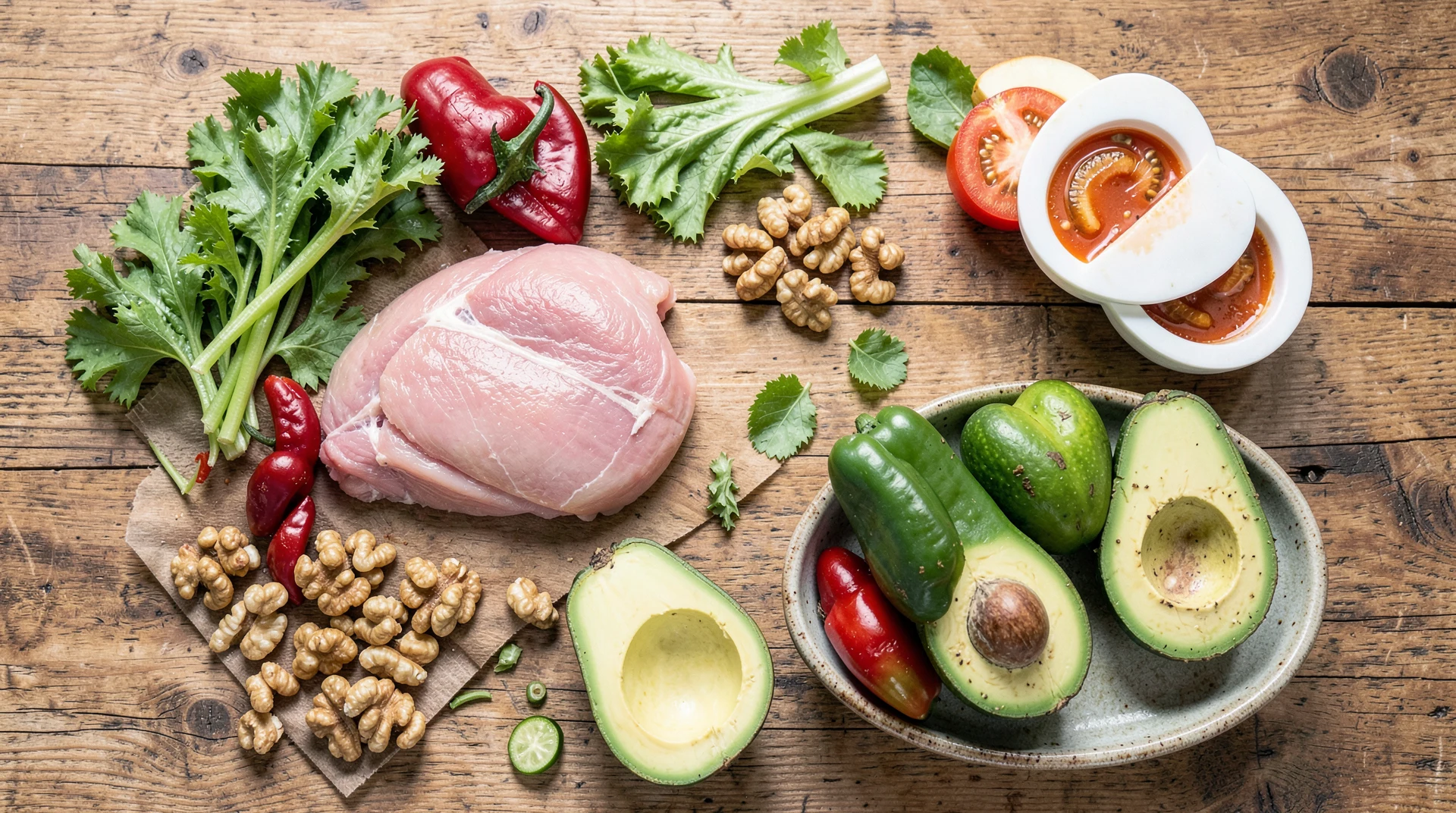
Below I’ll explain what the Paleo diet actually involves, what the research says about it, and what I’ve learned from my own experience.
What You Can Eat on the Paleo Diet
The Paleo diet is simple in principle but requires more planning than a standard diet. You can eat grass-fed meat, wild-caught fish, poultry, eggs, all vegetables, all fruits, nuts, seeds, and healthy oils like olive oil, coconut oil, and avocado oil. You cannot eat grains (wheat, rice, oats, corn), legumes (beans, lentils, peanuts, soy), dairy, refined sugar, processed foods, or vegetable oils. The diet is naturally high in protein and fiber and low in sugar and refined carbohydrates. Most people who switch to Paleo report feeling fuller for longer and experiencing fewer energy crashes throughout the day.
Does the Paleo Diet Work for Weight Loss?
Yes, but not because of any special property of Paleo foods. The diet works for weight loss because it eliminates most processed and high-calorie foods. When you cut out bread, pasta, sugar, and dairy, you naturally consume fewer calories without feeling hungry. A 2015 study in the American Journal of Clinical Nutrition found that Paleo dieters lost an average of 8 pounds over a 12-week period compared to a control group on a standard low-fat diet. The key is sustainability. Many people find it difficult to stick with Paleo long-term because it requires significant meal prep and limits social eating options.
Common Mistakes on the Paleo Diet
The most common mistake I see is eating too much bacon and red meat. Paleo is not a license to eat unlimited amounts of fatty meat. The healthiest Paleo diets are rich in vegetables, fish, and lean meats, not bacon-wrapped everything. The second mistake is not eating enough carbohydrates. Many people assume Paleo is low-carb, and while it can be, it doesn’t have to be. Sweet potatoes, fruits, and root vegetables are all Paleo-friendly and provide the carbohydrates your body needs for training. The third mistake is ignoring food quality. A Paleo diet of grass-fed beef and organic vegetables is healthier than a Paleo diet of factory-farmed meat and conventional produce. If you can afford better quality, it makes a difference.
Paleo and Athletic Performance
I’ve trained clients on both a Paleo diet and a standard diet, and the results are mixed. For endurance athletes, Paleo can be beneficial because it reduces inflammation and improves recovery. For strength athletes, the lack of easy carbohydrate sources can be a problem. I personally found that my deadlift and squat numbers stayed the same on Paleo, but my recovery between sets was noticeably slower. If you’re an athlete considering Paleo, I recommend including carbohydrate-rich Paleo foods like sweet potatoes and plantains around your training sessions.
Frequently Asked Questions
Can you eat potatoes on the Paleo diet?
Yes, white potatoes and sweet potatoes are both Paleo-friendly. The Paleo community debated this for years, but the consensus now is that potatoes are a whole, unprocessed food that our ancestors would have eaten.
Is the Paleo diet expensive?
It can be, especially if you buy all grass-fed meat and organic produce. But you can make it work on a budget by choosing cheaper cuts of meat, buying frozen vegetables, and focusing on eggs and canned fish as protein sources.
Can you drink alcohol on Paleo?
Strictly, no. But if you’re going to drink, choose dry wine or spirits. Beer and sugary cocktails are not Paleo-friendly. The alcohol itself is not Paleo, but one drink occasionally won’t derail your progress.
How long does it take to see results on Paleo?
Most people notice changes in energy levels within the first week. Weight loss typically starts within two to four weeks. The full benefits — improved body composition, better digestion, clearer skin — take about six to eight weeks.
Is Paleo safe for everyone?
Paleo is generally safe for healthy adults. People with kidney disease or gout should be cautious with the high protein intake. Pregnant women should consult their doctor before starting any restrictive diet. Athletes may need to adjust carbohydrate intake to support performance.
Written by Paul Vandyken, fitness coach and nutrition researcher. Updated July 2026.
Paleo Meal Plan for Beginners
A typical day on the Paleo diet looks like this. Breakfast: three eggs scrambled with spinach and mushrooms, cooked in coconut oil, with a side of mixed berries. Lunch: grilled chicken breast over a large salad with mixed greens, cucumber, tomatoes, avocado, and olive oil dressing. Dinner: salmon fillet with roasted sweet potato wedges and steamed broccoli. Snacks: an apple with almond butter, a handful of walnuts, or carrot sticks. This meal plan provides roughly 2,000 calories, 150 grams of protein, 150 grams of carbohydrates, and 100 grams of fat. The exact numbers depend on portion sizes, but this gives you a template to work from. I recommend meal prepping on Sundays. Chop all your vegetables, cook your proteins, and portion everything into containers. This makes it much easier to stick with the diet during a busy week.
Paleo vs. Keto vs. Mediterranean Diet
These three diets are often confused, but they have important differences. The Paleo diet focuses on food quality (what our ancestors ate) and excludes entire food groups like grains and dairy. The Keto diet focuses on macronutrient ratios (very low carb, high fat) and can include dairy and processed foods as long as they fit the macros. The Mediterranean diet focuses on the traditional eating patterns of Mediterranean countries and includes whole grains, legumes, and dairy in moderation. All three diets have been shown to improve health markers like blood sugar, cholesterol, and blood pressure. The best diet for you is the one you can stick with consistently. I’ve tried all three, and I found Paleo the easiest to follow because it’s based on clear rules (eat this, not that) rather than counting macros.
Paleo-Friendly Substitutions for Common Foods
One of the hardest parts of the Paleo diet is giving up familiar foods. Here are the substitutions that made the biggest difference for me. Instead of wheat flour, use almond flour or coconut flour for baking. Instead of rice, use cauliflower rice or riced broccoli. Instead of pasta, use zucchini noodles (zoodles) or spaghetti squash. Instead of milk, use unsweetened almond milk, coconut milk, or cashew milk. Instead of butter, use ghee (clarified butter, which is Paleo-friendly because the milk solids are removed) or coconut oil. Instead of sugar, use honey, maple syrup, or dates. These substitutions aren’t perfect, but they’re close enough that most people don’t notice the difference. I’ve served zucchini noodles with marinara sauce to guests who didn’t realize they were eating Paleo.
How to Eat Paleo on a Budget
The biggest criticism of the Paleo diet is that it’s expensive. It can be, but it doesn’t have to be. Here are the strategies I use to keep costs down. Buy meat in bulk when it’s on sale and freeze portions. Choose cheaper cuts of meat like chicken thighs, pork shoulder, and ground beef instead of expensive steaks. Buy frozen vegetables instead of fresh — they’re just as nutritious and significantly cheaper. Eggs are one of the cheapest protein sources on Paleo, and you can eat them every day without issue. Canned fish like sardines and mackerel are affordable and nutrient-dense. Buy seasonal produce from local farmers markets instead of imported organic produce from supermarkets. I’ve been eating Paleo on a budget of $80 per week for one person, which is about what most people spend on a standard diet.
Paleo Diet Science: What the Research Actually Says
The scientific evidence for the Paleo diet is promising but not conclusive. A 2019 meta-analysis published in the European Journal of Clinical Nutrition reviewed 11 randomized controlled trials and found that Paleo diets led to greater improvements in waist circumference, triglyceride levels, and blood pressure compared to standard dietary guidelines. However, the studies were small and short-term, typically lasting 6 to 12 weeks. The long-term effects of the Paleo diet are not well studied. One concern is that eliminating entire food groups may lead to nutrient deficiencies. The Paleo diet is naturally low in calcium and vitamin D because it excludes dairy. You can get calcium from leafy greens, almonds, and sardines, but you need to be intentional about it. The diet is also low in carbohydrates, which can be a problem for athletes and people with physically demanding jobs. If you’re active, make sure to include carbohydrate-rich Paleo foods like sweet potatoes, plantains, and fruit.
My Personal Experience with the Paleo Diet
I first tried the Paleo diet in 2020 after reading about it in a fitness blog. I was skeptical at first, but I committed to 30 days. The first week was the hardest. I had headaches, felt tired, and craved bread and pasta constantly. This is commonly called the “Paleo flu” and it’s your body adjusting to the absence of processed foods and sugar. By the end of the second week, my energy levels stabilized. By the end of the 30 days, I had lost 6 pounds, my skin was clearer, and I was sleeping better. I’ve since done several Paleo cycles, each lasting two to three months. The benefits are real, but they’re not dramatic. I felt about 15% better overall — more energy, better digestion, fewer mood swings. It wasn’t a life-changing transformation, but it was a noticeable improvement. The main reason I don’t stay on Paleo permanently is the social aspect. Eating out, traveling, and attending social events are all significantly more difficult on Paleo. I now follow a roughly 80/20 approach: Paleo at home, flexible when I’m out.
Who Should Not Try the Paleo Diet
The Paleo diet is not suitable for everyone. People with a history of disordered eating should avoid restrictive diets like Paleo because the “good food / bad food” framework can trigger unhealthy behaviors. People with kidney disease need to be cautious about the high protein intake. Athletes in high-volume training phases may struggle with the low carbohydrate intake. People who are underweight or have high caloric needs may find it difficult to eat enough calories on Paleo. And anyone who is pregnant or breastfeeding should consult their doctor before making significant dietary changes. If you fall into any of these categories, you can still benefit from the Paleo philosophy of eating whole, unprocessed foods without adopting the strict rules. Focusing on eating more vegetables, lean protein, and healthy fats while reducing processed foods is a good goal for everyone, regardless of whether you call it Paleo.
Paleo Diet and Gut Health
One of the most compelling arguments for the Paleo diet is its effect on gut health. The diet eliminates processed foods, refined sugar, and industrial seed oils, all of which are known to disrupt the gut microbiome. It also emphasizes fiber-rich vegetables and fruits, which feed beneficial gut bacteria. A 2017 study published in the journal Nutrients found that Paleo dieters had higher microbial diversity compared to people eating a standard Western diet. However, the diet also eliminates grains and legumes, which are sources of prebiotic fiber that feed beneficial bacteria. The net effect on gut health likely depends on how many vegetables you’re eating. If your Paleo diet is heavy on meat and light on vegetables, your gut health may not improve. If you’re eating a diverse range of vegetables, fruits, nuts, and seeds, your gut health will likely benefit. My advice is to aim for at least 8 to 10 servings of vegetables and fruits per day on Paleo, which is more than most people eat on any diet.
This content is for general information only and is not medical advice. Consult a physician before starting any exercise or nutrition program.